
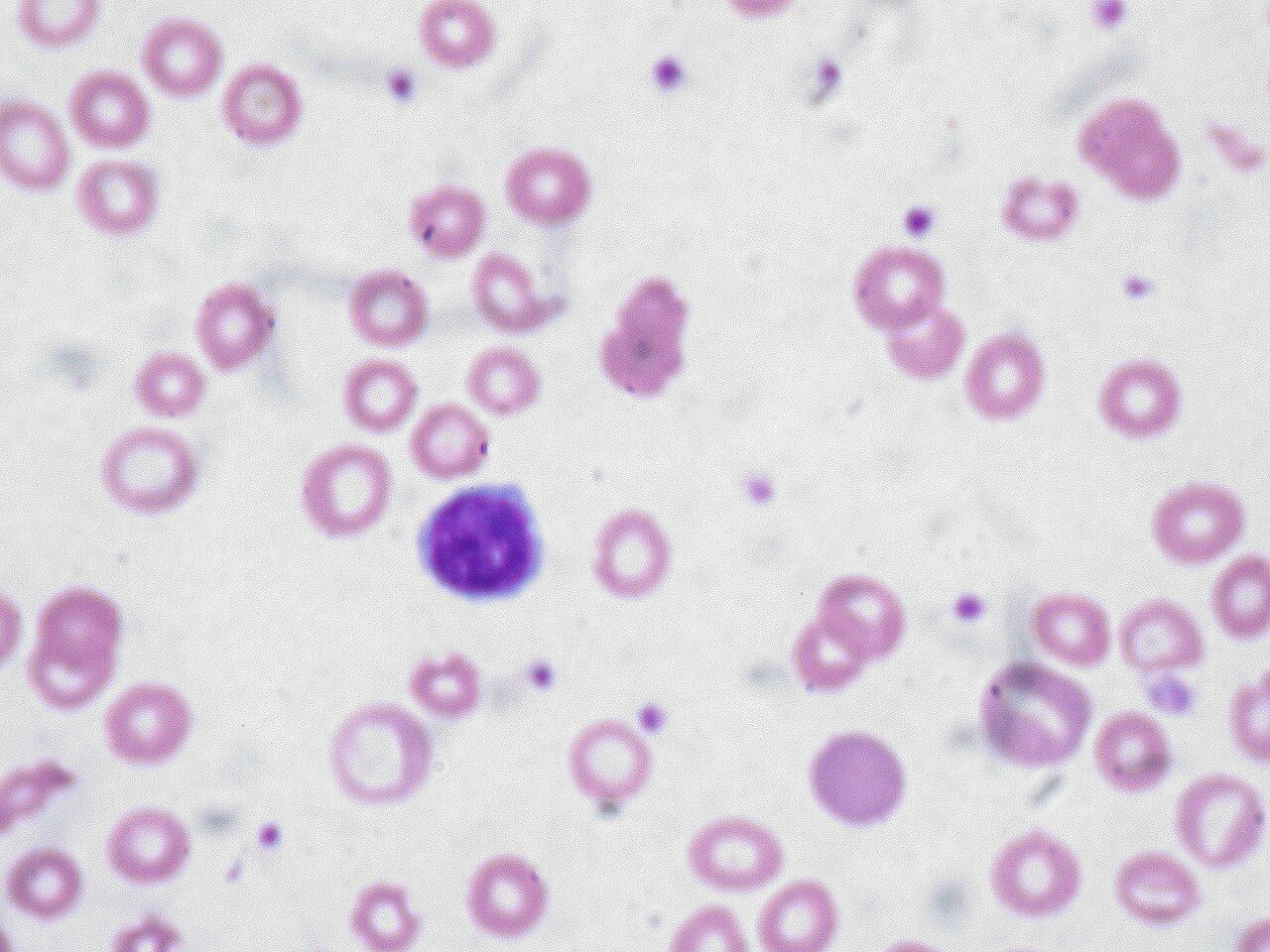
What Anemia Is
Anemia is a condition in which the body lacks healthy red blood cells or hemoglobin. Hemoglobin binds and carries oxygen throughout the body so organs can function properly.
When red blood cell production drops, oxygen supply to body tissues falls too. As a result, the body tires easily and various complaints emerge. The most common cause of anemia is iron deficiency, but it can also be triggered by a lack of folic acid or vitamin B12, bleeding, or certain diseases.
Recognizing the Symptoms of Anemia
The most commonly felt anemia symptoms are fatigue and getting tired quickly, dizziness or lightheadedness, and headaches. The skin looks pale, and in some people even yellowish. Hands and feet feel cold, breathing becomes short, and the heartbeat feels faster or pounds.
In more severe cases, sufferers may experience chest pain and ringing in the ears. These symptoms closely resemble low blood pressure (hypotension), so to confirm the diagnosis doctors usually recommend a laboratory blood test to check red blood cell and hemoglobin levels.
Anemia also often occurs during pregnancy, heavy menstruation, or recovery after illness. If you experience persistent dizziness or fatigue, do not hesitate to see a doctor so the cause can be identified and treated properly.
Blood-Boosting Foods That Are Easy to Find
The good news is that iron deficiency anemia can be prevented and helped through diet. Blood-boosting foods are generally rich in iron, the main mineral that forms hemoglobin. Easy-to-find options include red meat, beef or chicken liver, eggs, and fish.
From plant sources, green vegetables such as spinach and water spinach, legumes, and fruits like watermelon, apricots, plums, and raisins also help increase red blood cell production. Folate and vitamin B12 from vegetables, fruits, and animal products further support healthy blood cell formation.
For optimal iron absorption, consume vitamin C at the same time, for example from oranges or guava. Conversely, avoid tea or coffee close to mealtimes as they can inhibit iron absorption. If food alone is not enough, a doctor may prescribe supplements or blood-boosting tablets as needed.


