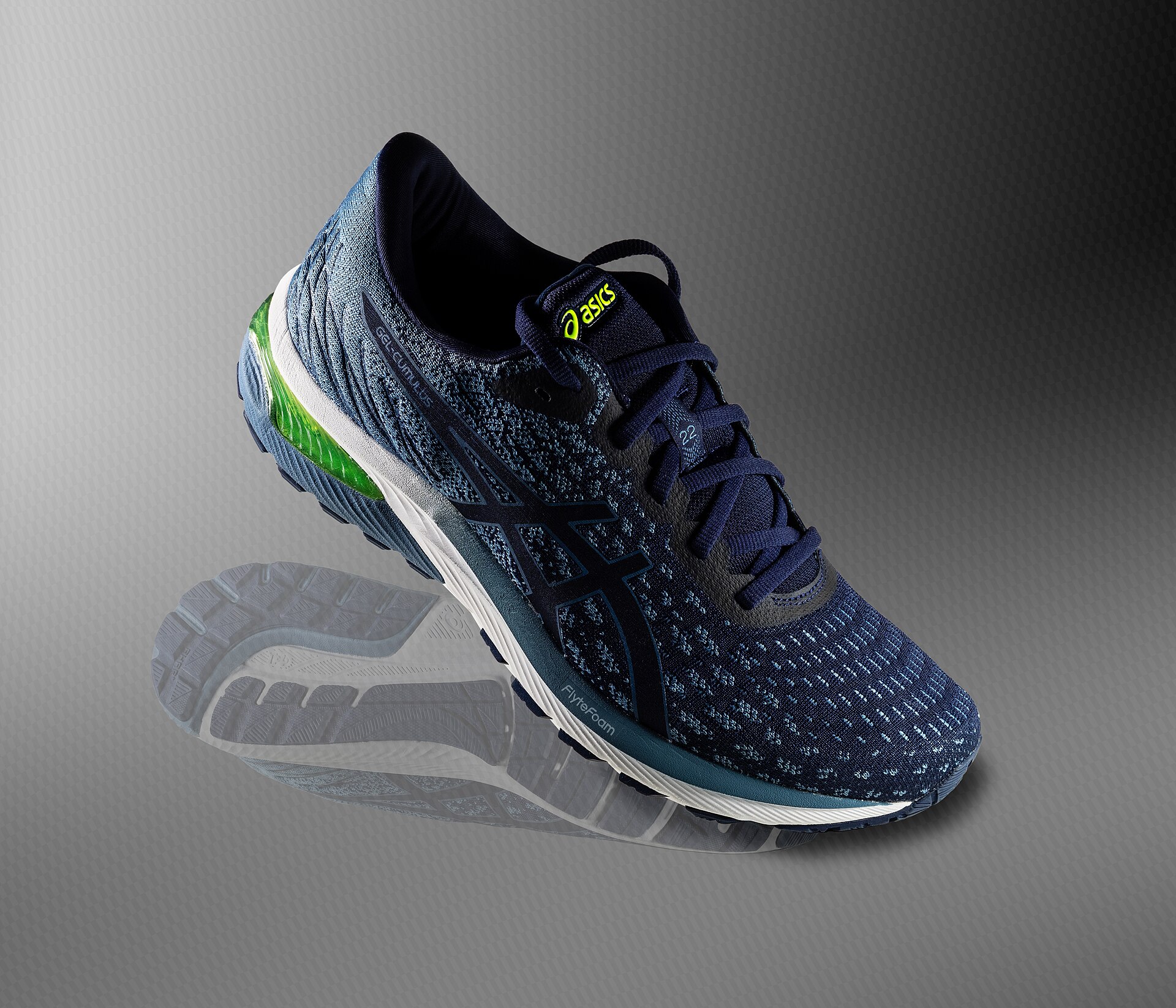
Identify Your Foot's Pronation Type
Pronation is the foot's natural rotating motion as it strikes the ground and rolls inward. There are three types: neutral (balanced and healthiest), overpronation (excessive inward roll), and supination or underpronation (outward roll). The latter two make feet more injury-prone.
A simple way to check is the wet footprint test: wet your sole, step on paper, and look at the arch. A full print means flat feet (low arch); a thin middle strip means high arch. Specialty running stores usually offer free gait analysis too.
Match It to the Shoe Type
Flat-footed overpronators need stability shoes or motion control shoes with a firm midsole to control foot motion. High-arched supinators need cushioned shoes with extra padding to absorb impact, since high arches make feet less effective at dampening shock on their own.
Normal feet with neutral pronation are the most flexible — neutral shoes with balanced heel-to-midfoot cushioning are enough. Don't be swayed by looks or colors; support function matters far more.
Get the Size and Comfort Right
Ideal running shoes leave about 1-1.5 cm of space at the toes so feet that swell while running don't feel cramped. Try shoes on in the afternoon — when feet are slightly larger — wearing the socks you usually run in.
Walk or jog lightly in the store. Watch for areas that feel tight, loose, or cause friction, especially at the heel and midfoot. The right shoe feels comfortable from the first wear, not after a 'break-in period'.
Match Shoes to Terrain and Purpose
For asphalt or hard surfaces, choose shoes with good cushioning to absorb repeated impact on knees and ankles. For trail running on uneven terrain, pick rugged soles with strong grip so you don't slip, plus a toe guard for rocky paths.
Also mind shoe weight: light models suit fast runs or races, while slightly heavier models usually offer more cushioning and stability for daily training and long distances.