Preparation Before an Earthquake
Indonesia sits in an earthquake-prone region, including megathrust zones. Since quakes can't be predicted, preparation is your only protection. Identify safe spots at home, the office, and school — including exit positions and emergency stairs.
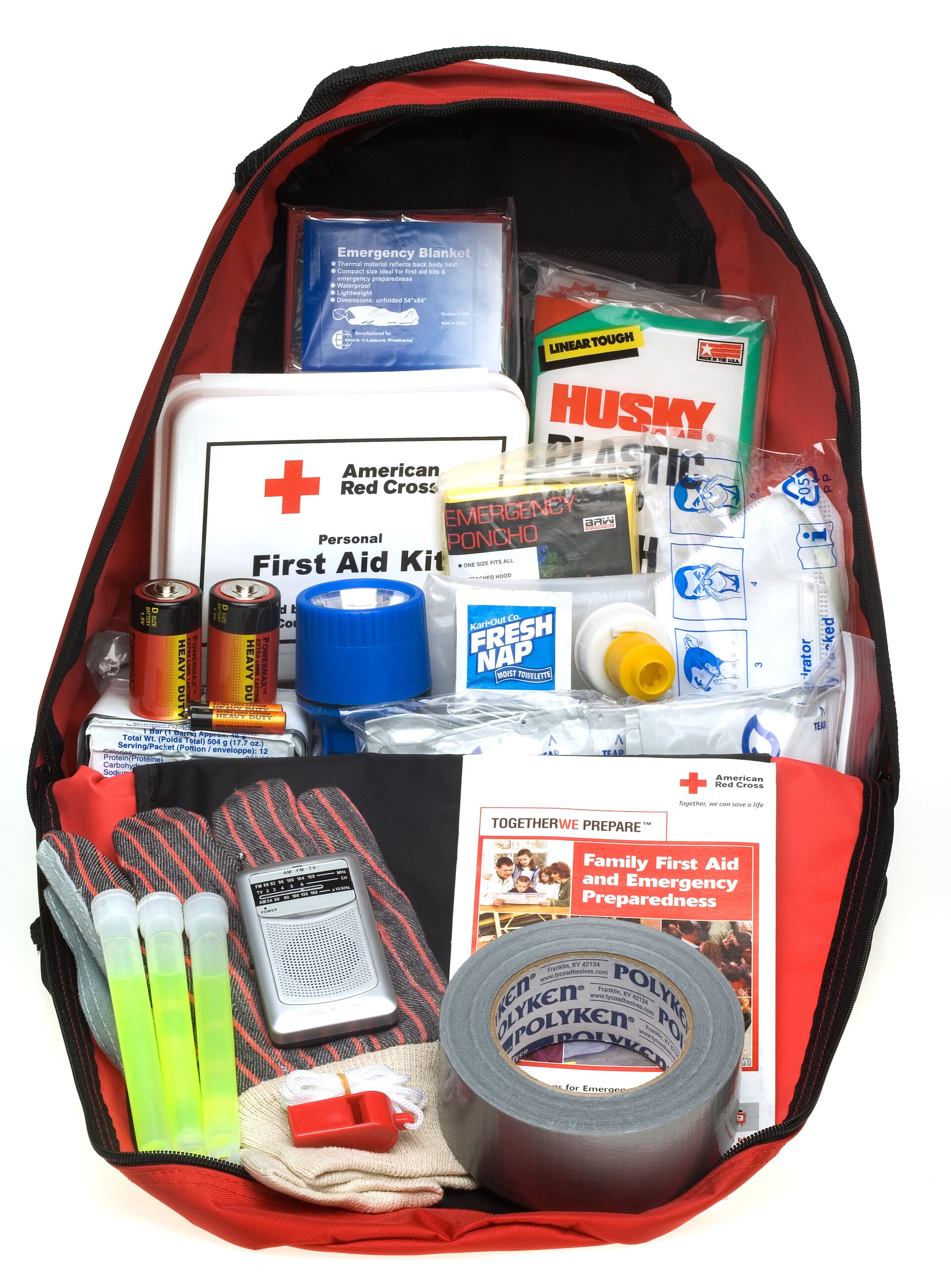
Secure heavy furniture like wardrobes and shelves so they won't topple, and place heavy items low. Prepare an emergency bag with water, food, medication, first aid, a flashlight, and important documents. Agree on a family meeting point, designate one out-of-town relative as the emergency contact, and write key numbers on paper, since communication networks may fail.
During Shaking: Drop, Cover, Hold On
When shaking starts, don't panic. Indoors, apply the Drop, Cover, Hold On technique: drop to your hands and knees, protect your head and neck, shelter under a sturdy table, and hold on until the shaking stops. Stay away from glass, wardrobes, and falling objects.
Don't run for the stairs while the floor is still shaking, and never use elevators. If outdoors, move to an open area away from buildings, power poles, and cables. If driving, pull over somewhere safe and stay inside the vehicle.
After the Shaking Stops
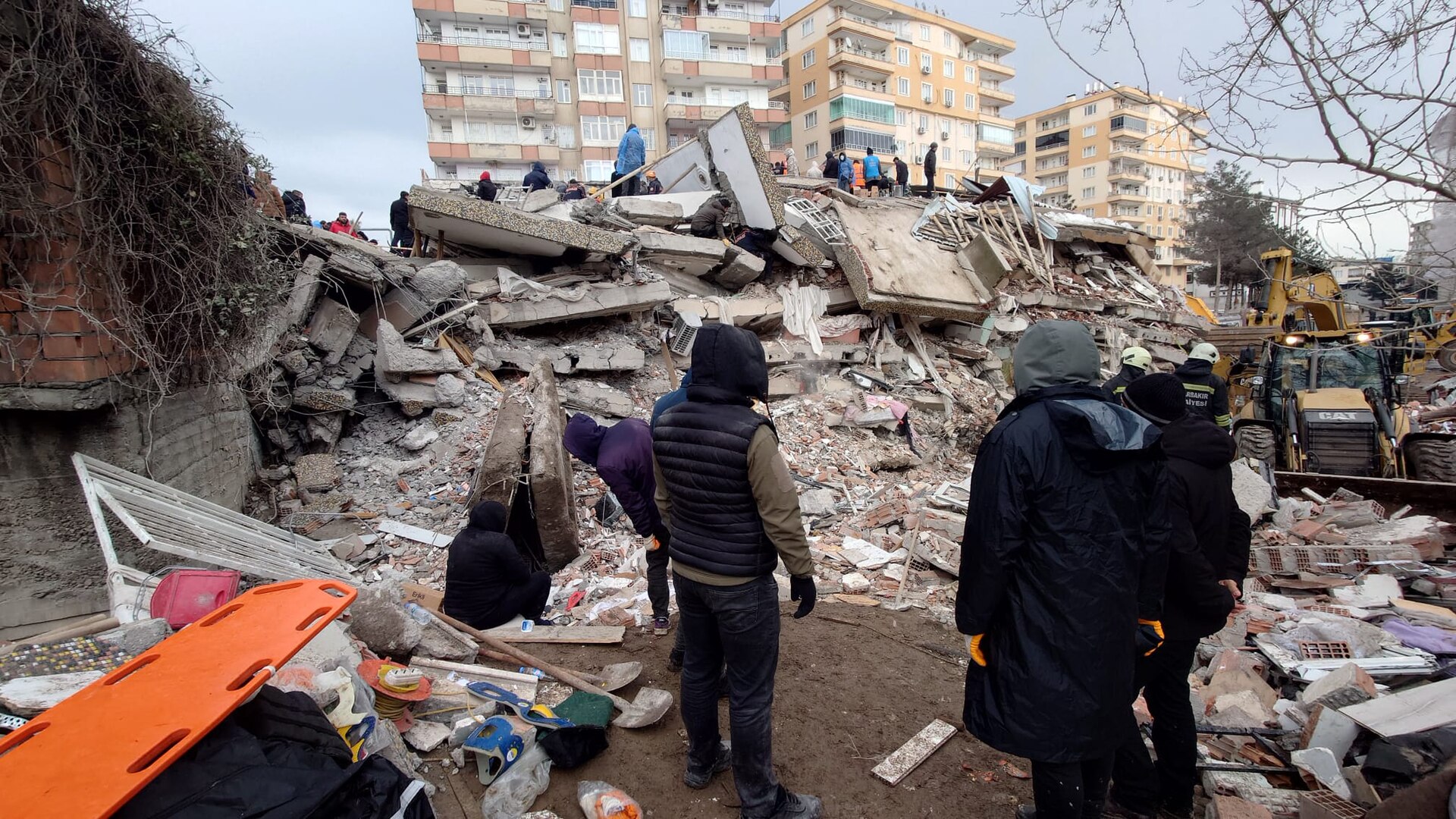
Shaking stopping doesn't mean danger is over — watch for aftershocks. Exit calmly via regular stairs to your agreed meeting point. Don't re-enter damaged buildings until declared safe.
Avoid areas smelling of gas or fuel. Check on people around you and give first aid if possible. Follow official updates from BMKG and BNPB, and don't spread unverified information.
Key Fact: Earthquakes Can't Be Predicted
BMKG affirms that no technology today can precisely predict when, where, or how strong an earthquake will be. Talk of megathrust potential doesn't mean a major quake is imminent.
What the public can do is not panic, but improve preparedness: routine evacuation drills, a ready go-bag, and a clear family plan. Today's readiness determines safety when a quake actually strikes — so share this guide with your family.