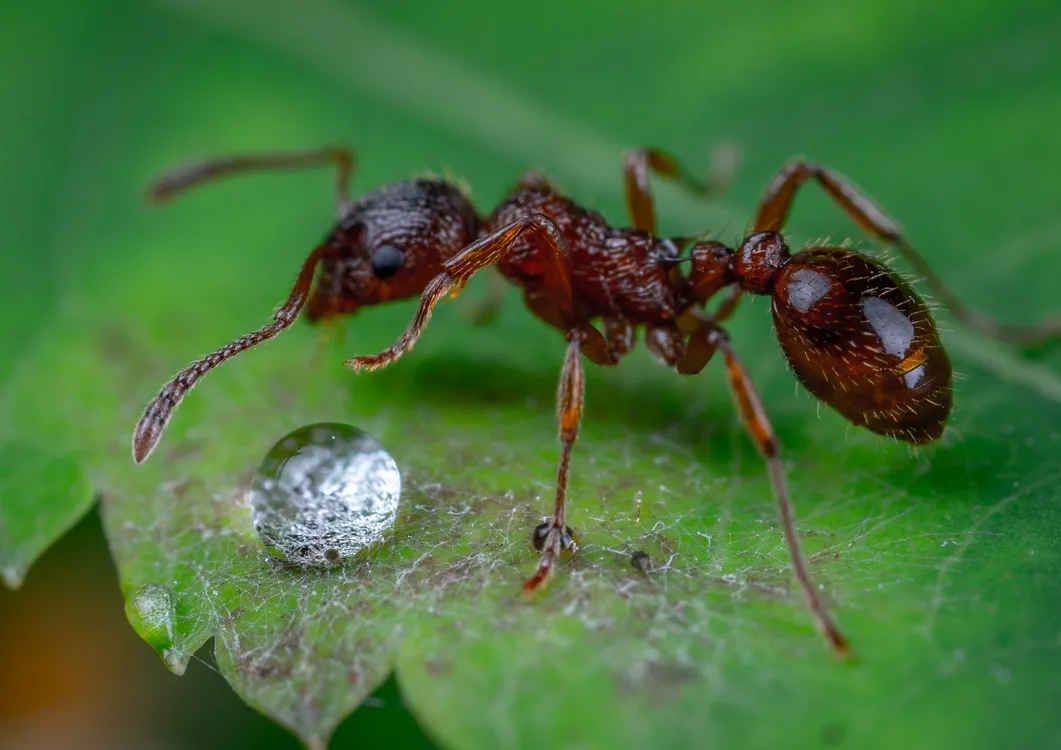
Why Ants and Cockroaches Feel at Home
Ants and cockroaches do not show up without reason. Food scraps, crumbs on the dining table, standing water, and damp corners are an open invitation for them. The kitchen, trash areas, and the space under furniture are favorite spots to watch out for.
Beyond being a nuisance, both insects can carry disease. Indonesia's Directorate General of Disease Prevention and Control (P2P) stresses the importance of public participation in keeping home environments sanitary to reduce animal-borne diseases like leptospirosis and diarrhea.
Natural Insect Repellents From the Kitchen
No harsh chemicals are needed to repel ants and cockroaches. Mix white vinegar and water in a 1:1 ratio, then spray it along ant trails or cockroach hiding spots. The smell is sharp for insects but safe for humans, and it also masks ant pheromone trails.
Sprinkle cinnamon powder near doors, windows, or ant paths. The cinnamon aroma disrupts ants' sense of smell and keeps them from entering. For cockroaches, place bay leaves or pandan leaves in kitchen cabinets, dish racks, or food storage drawers, as cockroaches dislike their scent.
Orange or lemon peels also work because they contain limonene, which insects hate. Place them in house corners, or use the juice to mop floors. Meanwhile, dried coffee grounds sprinkled along ant trails make them reluctant to return.
Natural Traps and Long-Term Prevention
For stubborn cockroaches, make a trap from equal parts baking soda and sugar. Sprinkle it in areas cockroaches frequent, such as under the sink or kitchen corners. The sugar attracts them, and the baking soda reacts inside their stomachs.
But natural methods only last when paired with prevention. Store food in sealed containers, do not let water stand, and clean up food and drink leftovers as soon as possible. Regularly clean the kitchen, bathroom, and under furniture so there is nowhere to nest. The combination of natural remedies and good sanitation is the key to a pest-free home.