
Why Kidneys Need Care From an Early Age
The kidneys filter about 180 liters of blood every day to remove toxins and excess fluid through urine. According to the National Kidney Foundation, 1 in 3 adults is at risk of kidney disease, with the two main causes being high blood pressure and diabetes. Kidney damage often shows no symptoms until advanced stages, so early prevention is far better than treatment.
The good news is that kidney-protecting steps are largely the same as a heart-healthy lifestyle. Here are simple habits you can start applying today.
The Key: Control Blood Pressure and Blood Sugar
High blood pressure can damage the small blood vessels inside the kidneys, while uncontrolled blood sugar harms the nephrons — the kidneys' filtering units. So monitor your blood pressure and blood sugar regularly, especially if you have a history of hypertension or diabetes.
Take medicines as your doctor directs and never stop treatment on your own. Ideal blood pressure ranges from 90/60 to 120/80 mmHg. If you are high-risk, discuss a kidney function screening schedule with your doctor at the nearest health facility.
A Kidney-Friendly Diet and Hydration
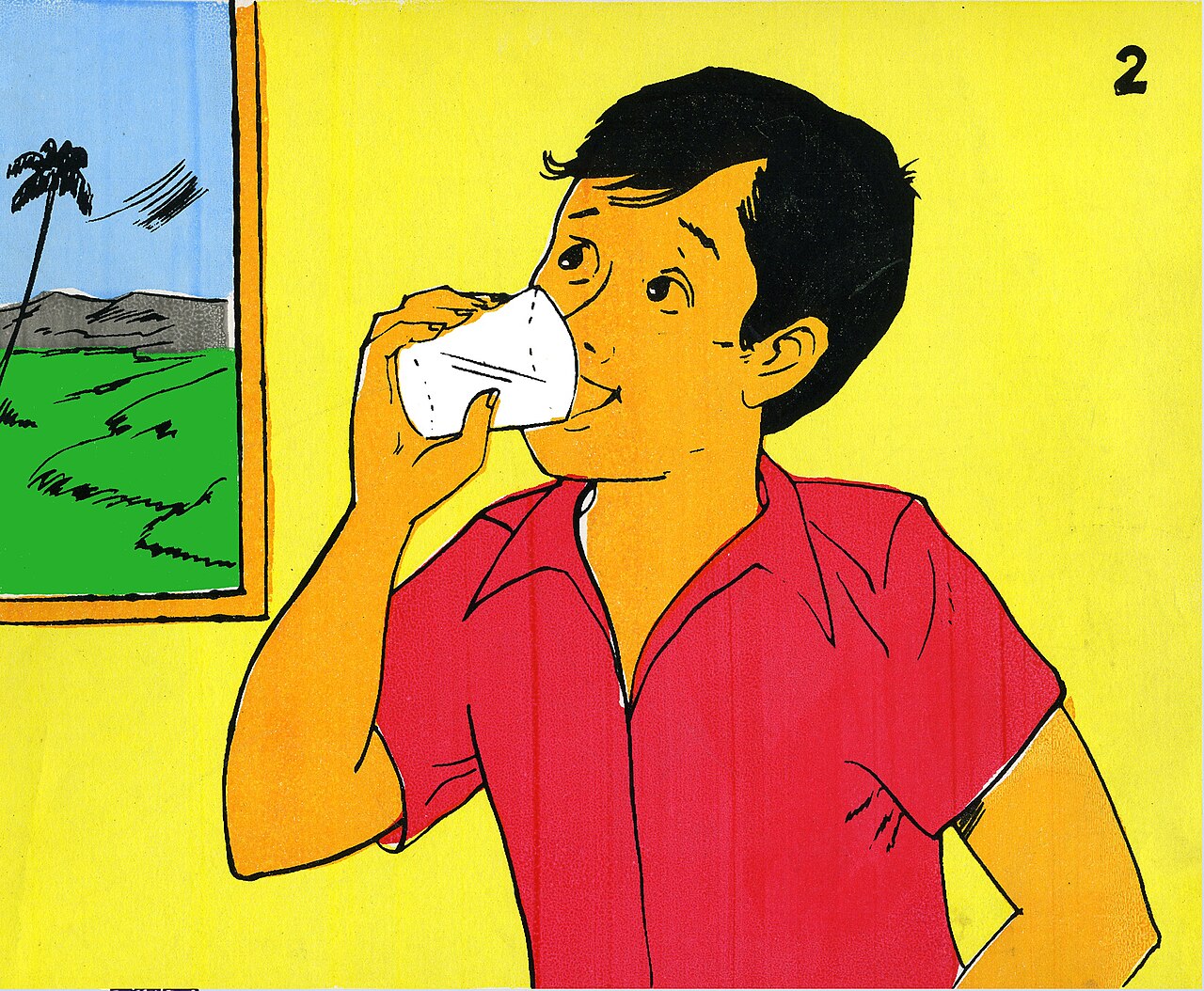
Drink at least 1.5 to 2 liters of water per day. Water helps the kidneys excrete waste through urine and keeps you from developing kidney stones. The National Kidney Foundation suggests pale yellow urine as a simple hydration benchmark. But for advanced kidney disease patients, fluid intake may instead need limiting per doctor's advice.
Limit salt, sugar, and excess processed foods. Choose heart-healthy foods: fresh fruits and vegetables, whole grains, and low-fat dairy. Cut back on excess animal protein and limit alcohol. Exercise at least 150 minutes per week and keep an ideal weight — obesity forces the kidneys to work harder.
Avoid Kidney-Damaging Habits
Quit smoking completely — smoking and alcohol both raise blood pressure, one of the most common causes of kidney disease. Avoid long-term NSAID painkiller use without a doctor's direction.
Do not hold in urine for too long, and drink extra fluids in hot weather or during heavy exercise. Finally, get regular health checkups so blood sugar and blood pressure stay controlled. Healthy kidneys start with small, consistent daily habits.


