
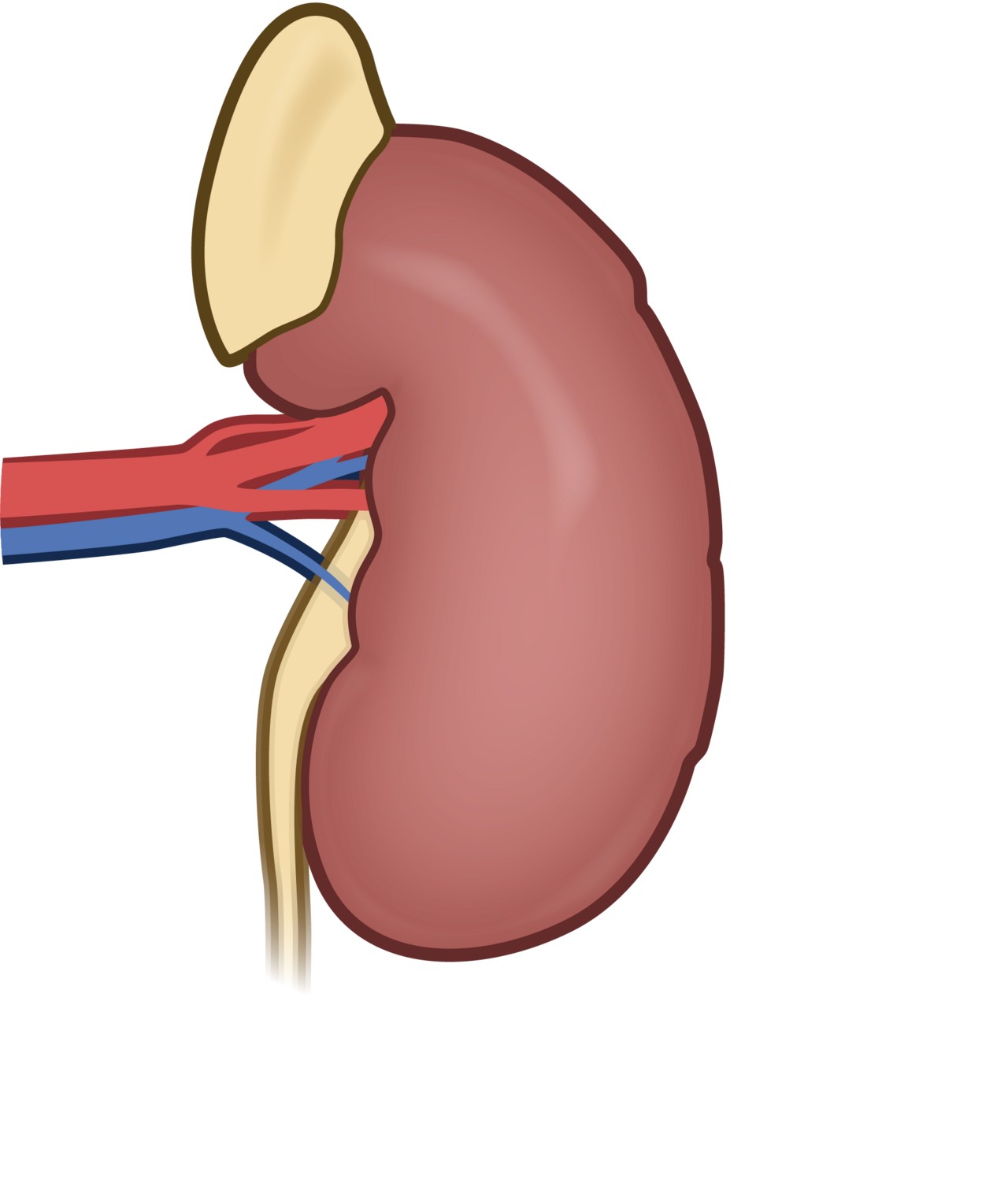
Kidney Trouble Often Has No Symptoms
The kidneys are blood-filtering organs that work nonstop, yet their damage often goes unnoticed. According to the National Kidney Foundation, many people with kidney disease feel no symptoms at all until advanced stages — which is why kidney disease is often called a silent disease.
The good news is that kidney function can be checked with two simple tests: the eGFR blood test and the uACR urine test (albumin-creatinine ratio). Early detection offers a better chance to slow or stop kidney damage. That is why recognizing the often-missed warning signs matters.
Five Kidney Trouble Signs to Watch
According to Alodokter, there are five key signs of kidney trouble. First, itchy skin — caused when failing kidneys cannot remove urea, leaving the waste in the blood and triggering itchiness. Second, constant fatigue — linked to anemia because damaged kidneys disrupt red blood cell production.
Third, blood in urine — from damaged kidney filters (glomeruli) letting blood leak into urine that looks pink or brownish. Fourth, foamy urine — a sign of protein leaking through damaged kidney filters. Fifth, swelling in the eyes, face, and legs — occurring because the kidneys cannot excrete sodium properly, so fluid accumulates in body tissues.
Other Often-Ignored Signs
Beyond the five signs above, other clues are often dismissed. Changes in urination frequency — such as needing to go more at night (nocturia) or a sharp drop in urine output — can signal that kidney filtering units are failing. Dark, cloudy, or foul-smelling urine also deserves attention.
Reduced appetite, morning nausea, and urine-like breath odor indicate toxin buildup in the blood. Dry, pale, or yellowish skin and nighttime muscle cramps are also warning signs according to the National Kidney Foundation.
When to See a Doctor
Consult a doctor promptly if you experience several of the signs above, especially with changes in urine amount or color. High-risk groups — people with diabetes and hypertension, those with a family history of kidney disease, and adults over 60 — are advised to get routine kidney function screening even without symptoms.
Early treatment can prevent more severe kidney failure complications. Do not delay a checkup at a health facility if these signs keep recurring.


