
What a Weak Heart Is
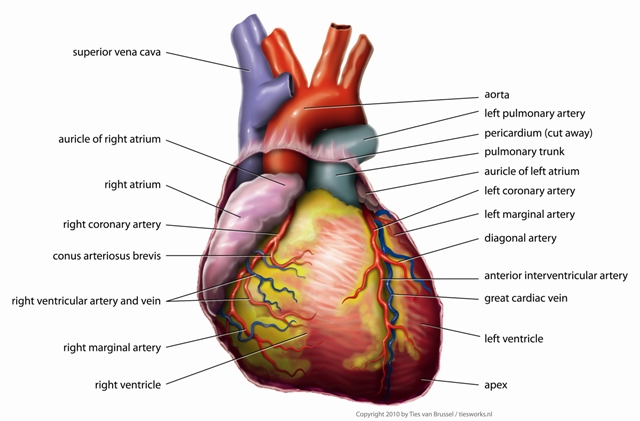
A weak heart, or cardiomyopathy, is a condition in which the heart muscle weakens so it cannot pump blood properly throughout the body. In cardiomyopathy, the heart muscle may enlarge, thicken, or stiffen; in some cases the muscle is replaced by scar tissue. The condition can be present from birth or develop in adulthood.
According to Alodokter, the cause of a weak heart is often unknown. But several factors raise the risk, including older age (over 65), family history, medication side effects, smoking and alcohol consumption, and certain diseases such as high blood pressure, diabetes, and infections.
Signs of a Weak Heart to Recognize
In the early stage, signs of a weak heart are usually not clearly visible or may not appear at all. As the condition advances, the signs become noticeable, including: swelling in the legs, ankles, belly, and neck veins; easy fatigue and tiredness; shortness of breath; and a very fast, pounding heartbeat.
Other warning signs include frequent coughing when lying down, a heavy or pressured chest, dizziness and headaches, and frequent fainting, especially after physical activity. According to Mayo Clinic, a persistent cough or one producing white or pink mucus can also signal fluid buildup in the lungs.
Signs Often Dismissed as Trivial
Several weak-heart signs are often brushed off as ordinary complaints — for example, rapid weight gain from fluid buildup, frequent nighttime urination, nausea and reduced appetite, and difficulty concentrating. These symptoms arise because body organs do not receive enough blood and oxygen.
Because it develops slowly, many patients only realize something is wrong when the heart is already severely weakened. Yet according to Mayo Clinic, proper treatment can improve heart failure symptoms and help some people live longer, especially alongside lifestyle changes such as losing weight, exercising, using less salt, and managing stress.
When to See a Doctor
See a doctor promptly if you experience a combination of the symptoms above — for instance, shortness of breath when lying down that forces you to sleep propped on several pillows, leg swelling that does not subside, or a pounding heartbeat with dizziness and near-fainting. Tests such as an ECG, echocardiogram, and chest X-ray can confirm your heart's condition.
Do not delay a checkup, because the symptoms can resemble other diseases. Consult a doctor or health facility for an accurate diagnosis — the earlier it is detected, the better the chance of preventing it from worsening into heart failure.


