Full List of 2026 Nobel Laureates: Science to Peace
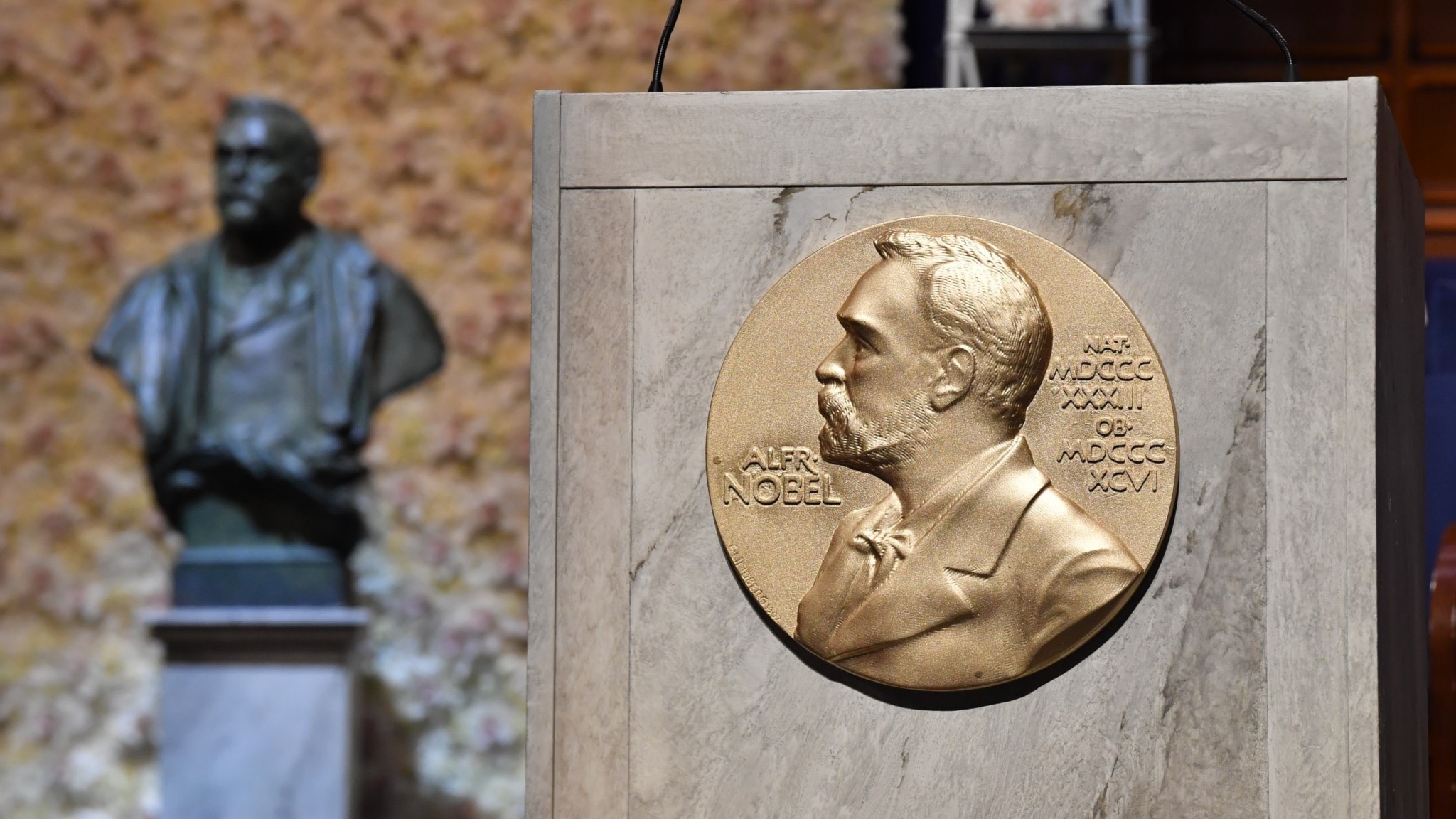
The announcements of the 2026 Nobel Prizes are now complete, made between 5–12 October 2026 across six categories: Medicine, Physics, Chemistry, Literature, Peace, and Economic Sciences. The science prizes were announced in Stockholm, Sweden, while the Peace Prize was announced by the Norwegian Nobel Committee in Oslo. The prizes will be presented on 10 December 2026.
The series opened with the Nobel Prize in Medicine on October 5 for Karl Deisseroth, Peter Hegemann, and Georg Nagel for their discovery of light-gated ion channels that laid the foundation of optogenetics. On October 6, the Nobel Prize in Physics went to Francis Halzen for his decisive contributions to the IceCube Neutrino Observatory and the discovery of high-energy neutrinos of astrophysical origin.
Chemistry, Literature, and Economics
The Nobel Prize in Chemistry on October 7 was awarded to Henri B. Kagan and Kenso Soai for discovering non-linear effects and autocatalysis in asymmetric organic synthesis — a breakthrough that changed how drug molecules are made. A day later, Canadian author Anne Carson won the Nobel Prize in Literature for her bold, inventive body of poetry and prose that dialogues with the classical tradition and created new forms for contemporary literature.
The announcements closed on October 12 with the Nobel Prize in Economic Sciences for Robert E. Hall of Stanford University and Michael Woodford of Columbia University. They were honored for the microeconomic foundations of macroeconomic stabilization, explaining how consumer spending decisions and corporate pricing feed into boom-and-bust cycles.
Navi Pillay Wins Nobel Peace Prize as US Sanctions ICC
The 2026 Nobel Peace Prize was awarded to Navanethem "Navi" Pillay, an 85-year-old South African jurist, on October 9. The Norwegian Nobel Committee honored her lifelong dedication to peace and international law — from courts defending anti-apartheid activists, to the International Criminal Tribunal for Rwanda after the 1994 genocide, to her post as UN High Commissioner for Human Rights in 2008–2014.
Only hours after the announcement, the United States government announced sanctions against the International Criminal Court (ICC) via Secretary of State Marco Rubio, part of a campaign against ICC investigations involving the US and its allies, including Israel. Pillay — a former ICC judge who once chaired a UN commission on Gaza — condemned the sanctions as unprecedented and unacceptable, warning that attacks on international legal institutions threaten the global rule of law.
Israel Condemns Award; UN and Europe Criticize US Sanctions
Israel condemned the Peace Prize award to Pillay, citing her role in a UN commission that concluded Israel had committed genocide in Gaza — findings rejected by Israel and disputed by the US administration. US President Donald Trump was also reported to have criticized the Nobel Committee's decision.
The ICC, meanwhile, strongly condemned the US sanctions, calling them an unprecedented attack on an independent judicial body, and appealed to its 125 member states to ensure the court retains the resources to continue its work. The United Nations and several European governments joined in criticizing Washington's move. The Nobel Committee described Pillay's selection as a clear message to those pressuring international legal institutions.