
What Is a Calorie Deficit?
A calorie deficit happens when the body burns more calories than it takes in from food and drink. In this state, the body draws on stored energy — mainly fat — so weight goes down.
This is the basic principle behind nearly every weight-loss program. Whatever the method — smaller portions, lower-calorie foods, or exercise — the goal is the same: creating a consistent energy deficit.
How Large a Deficit Is Safe?
According to the CDC, a safe rate of weight loss is 0.5–1 kg per week. Reaching it requires a deficit of about 500–1,000 calories per day. A 500-calorie daily deficit, for example, is roughly the equivalent of swapping a large sugary drink for fruit plus a brisk 30-minute walk.
But there is a lower limit that should not be crossed. Intake below 1,200 calories per day (women) or 1,500 (men) without a doctor's supervision risks nutrient deficiencies, muscle loss, hormonal disruption, and gallstones.
How to Apply a Calorie Deficit
The simplest approach combines both sides: eat a little less and move a little more. Track your food for a few days to learn your eating patterns, then cut calories from the easiest sources — sugary drinks, fried foods, and high-calorie snacks.
Keep protein and fiber intake up to stay full, and add strength training to protect muscle mass. Getting enough sleep matters too, since poor sleep can raise hunger hormones.
Signs Your Deficit Is Too Extreme
Watch for warning signs: prolonged fatigue, dizziness, hair loss, difficulty concentrating, disrupted menstrual cycles, and very rapid weight loss. These signal that the body is short on energy and nutrients.
If you experience these symptoms or have a history of certain illnesses, consult a doctor or dietitian promptly. Healthy weight loss is a marathon, not a sprint.
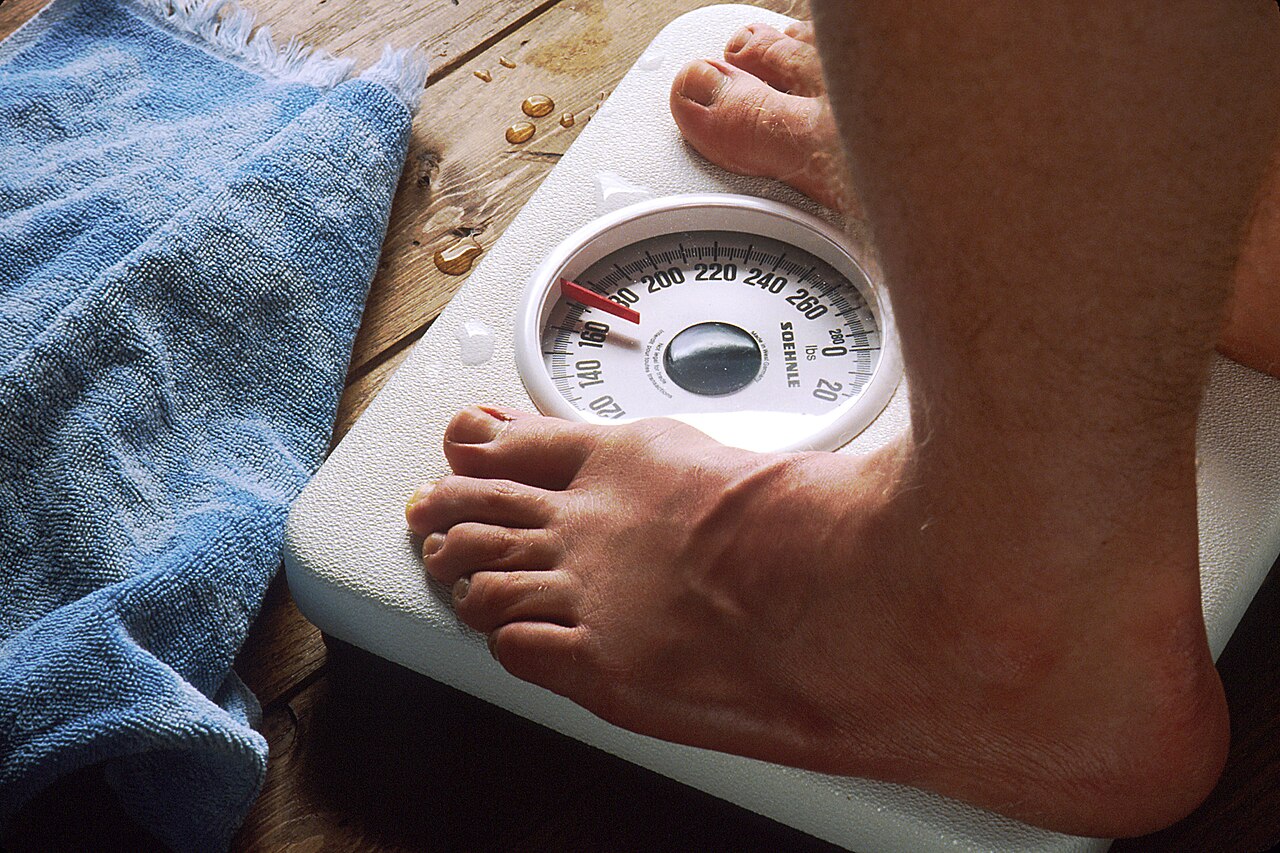
Track progress by weighing yourself once a week at the same time, not daily, since body weight naturally fluctuates with water and food. Focus on the weekly trend, not the daily number.


