
Diarrhea's Biggest Danger: Dehydration
Diarrhea is the passing of watery stools more than three times a day, usually caused by viral infection. In children it is dangerous because a child's body is mostly water — fluid lost through stools that is not replaced promptly can lead to dehydration and even death.
Dehydration signs parents should recognize include sunken eyes, a sunken fontanelle in babies, dry lips and tongue, no tears when crying, abdominal skin that stays pinched (reduced turgor), and reduced urination.
First Step: Replace Fluids with ORS
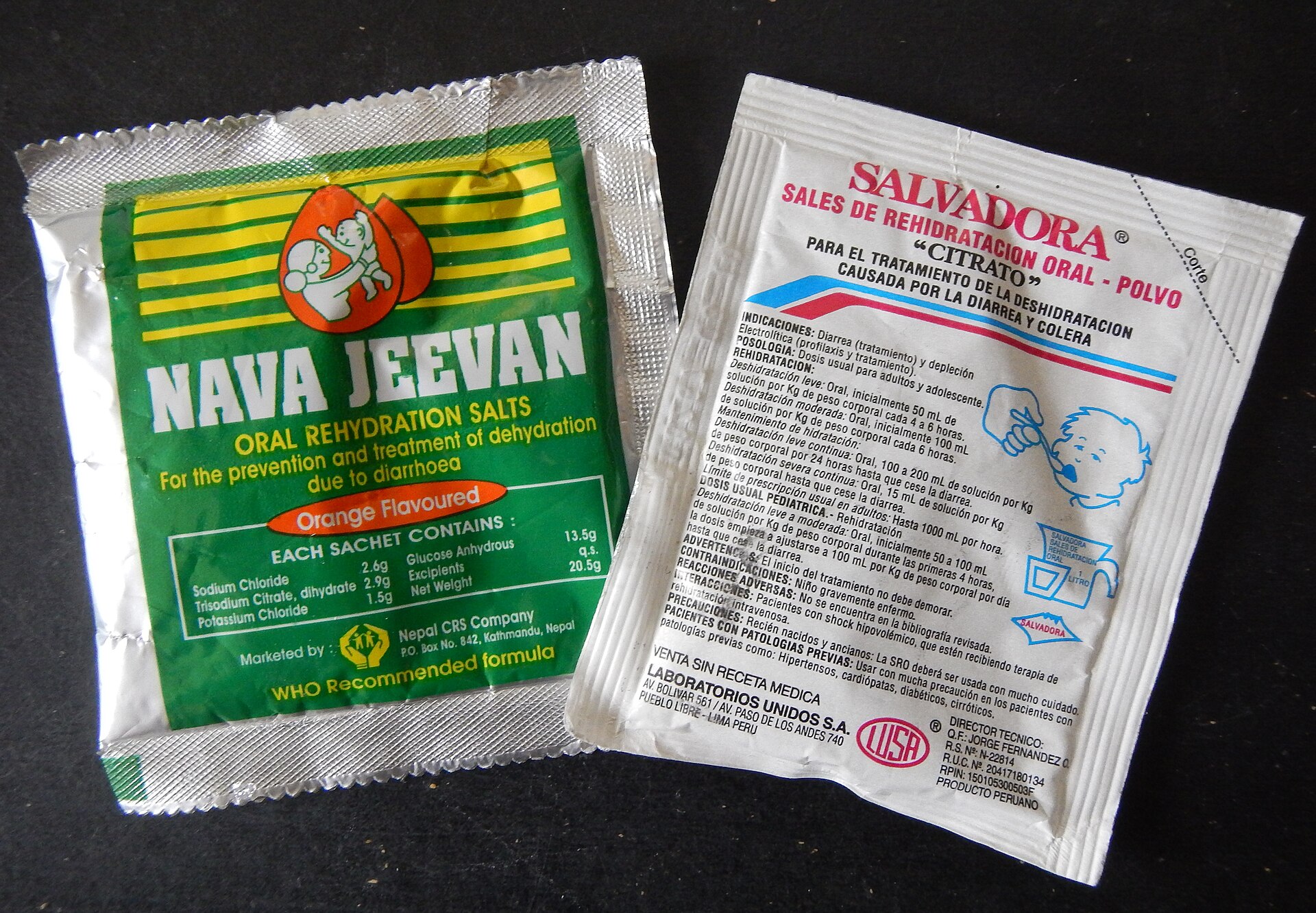
Dr. Himawan Aulia Rahman, secretary of IDAI's gastrohepatology working group, stresses fluid replacement as the first aid for childhood diarrhea. The most accessible replacement fluid across Indonesia is oral rehydration salts (ORS).
The rule of thumb is 10 milliliters of ORS per kilogram of body weight after each watery stool — a 10-kg child gets 100 ml per episode. Give it little by little but often, e.g., one teaspoon every 1–2 minutes for children under two. If the child vomits, wait 10 minutes, then give ORS more slowly. Continue until the diarrhea stops.
Don't Forget Zinc for 10 Days
Besides ORS, give zinc supplementation for 10 consecutive days even after the diarrhea has stopped. The dose is 10 mg daily for babies under six months and 20 mg daily for ages six months and up.
Zinc helps repair intestinal cells damaged during diarrhea, shortening its duration and lowering the risk of recurrence. It also strengthens immunity and maintains the gut lining.
Keep Feeding and Know the Danger Signs
During diarrhea, continue breastfeeding — even more frequently than usual. Children already eating solids should keep eating as normal with freshly cooked meals, little but often (about six times a day). Do not stop feeding, and do not give anti-diarrhea drugs that trap germs inside.
Take the child to a health worker immediately if they cannot or will not drink/breastfeed, their condition worsens, they develop fever, or there is blood in the stool. After initial treatment, return for follow-up as advised to make sure no dehydration signs were missed.


