
What Diarrhea Is and What Causes It
Diarrhea is a digestive disorder marked by more frequent bowel movements with loose or watery stools. People with diarrhea typically pass stools at least three times a day, often accompanied by abdominal cramps. Although often dismissed as minor, diarrhea that is not managed properly can be fatal, especially for children and older adults.
The most common cause of diarrhea is infection by germs from contaminated food or drinks, such as viruses, E. coli and Salmonella bacteria, and parasites. Diarrhea can also be triggered by food poisoning, allergies or intolerance to certain foods such as lactose, antibiotic side effects, and even stress and anxiety that affect the digestive system.
The Biggest Danger of Diarrhea: Dehydration
The worst effect of diarrhea is not the frequent bowel movements but dehydration — the body losing fluids and electrolytes. Fluid lost through watery stools must be replaced promptly, because severe dehydration can impair organ function and become life-threatening if left untreated.
Recognize the early signs of dehydration: excessive thirst, dry lips and mouth, infrequent urination or dark yellow urine, weakness, sunken eyes, and in babies, abdominal skin that does not spring back quickly after being pinched. Children, infants, pregnant women, and older adults are the most vulnerable to dehydration and need extra attention.
How to Treat Diarrhea at Home
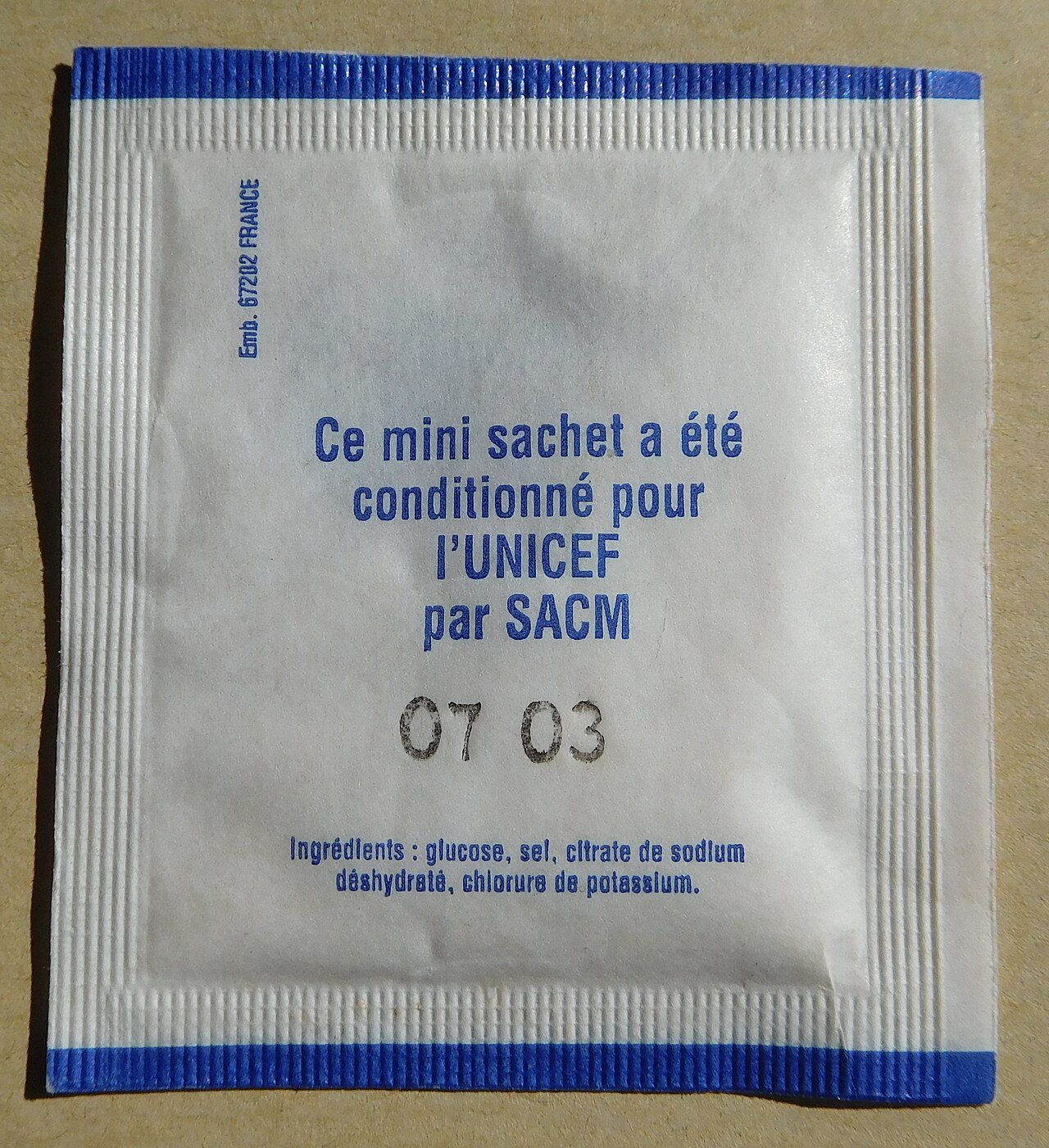
The first and most important step in treating diarrhea is replacing lost fluids. Give oral rehydration salts (ORS) as the main fluid, because its balanced sugar and salt content replaces both fluids and electrolytes — more effectively than plain water or sugary drinks. Offer it little by little but often, for example one to two tablespoons every 5–10 minutes. Also drink plenty of plain water, at least two liters a day.
Beyond rehydration, WHO and IDAI recommend zinc supplementation for 10 consecutive days to shorten diarrhea episodes and protect against recurrence. Keep eating as usual with easy-to-digest foods such as porridge, bananas, soft rice, or soup, and continue breastfeeding infants. Avoid spicy, greasy, or coconut-milk foods, as well as carbonated, caffeinated, and alcoholic drinks that can worsen diarrhea.
When to See a Doctor Immediately
Most diarrhea improves within a few days with home care. However, see a doctor or health facility promptly if diarrhea does not improve after more than 24 hours, stools are bloody or pitch black, vomiting is persistent so you cannot drink, fever is high, abdominal pain is severe, or signs of severe dehydration appear, such as disorientation or unusual drowsiness.
Keep in mind that antibiotics are unnecessary for most diarrhea cases because most are caused by viruses. Inappropriate antibiotic use can actually make things worse. Antibiotics are only prescribed by a doctor when there are signs of a specific bacterial infection, such as bloody diarrhea. If you are unsure about your condition, consult a doctor or the nearest health facility for proper treatment.


