The Order of Dhikr After Obligatory Prayers
After the salam, Muslims are encouraged not to leave immediately but to recite dhikr first. Begin with istighfar — “Astaghfirullah” — three times, as an admission of sins and a plea for forgiveness.
Continue with the supplication: اللَّهُمَّ أَنْتَ السَّلَامُ وَمِنْكَ السَّلَامُ، تَبَارَكْتَ يَا ذَا الْجَلَالِ وَالْإِكْرَامِ — “Allahumma antas salaam wa minkas salaam, tabaarakta yaa dzal jalaali wal ikraam.” Meaning: “O Allah, You are Peace and from You comes peace. Blessed are You, O Possessor of majesty and honor.”
Tasbih, Tahmid, Takbir, and Tahlil
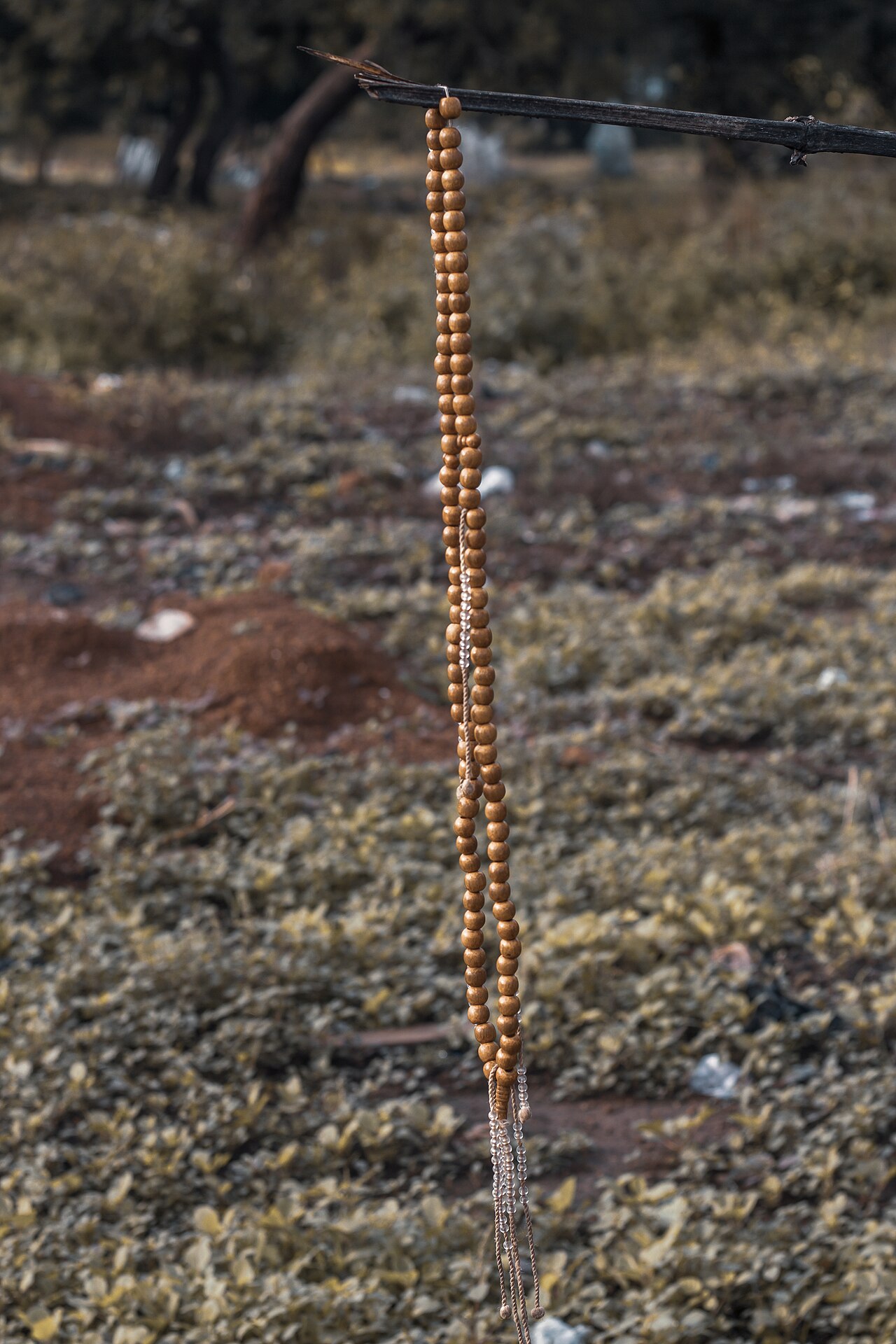
The main dhikr continues with tasbih “Subhanallah” (Glory be to Allah) 33 times, tahmid “Alhamdulillah” (all praise to Allah) 33 times, and takbir “Allahu Akbar” (Allah is Greatest) 33 times. The sequence closes with tahlil: “Laa ilaaha illallaah, wahdahu laa syariika lah, lahul mulku wa lahul hamdu wa huwa ‘alaa kulli syai’in qodiir.”
This practice is based on authentic hadith: the Prophet SAW taught his companions to recite tasbih, tahmid, and takbir 33 times each after every prayer, as a deed that lets them catch up with those ahead in goodness (narrated by Bukhari and Muslim).
Ayat al-Kursi and Closing Dua
It is also recommended to recite Ayat al-Kursi once after every obligatory prayer: “Allahu laa ilaaha illaa huwal hayyul qayyuum...” through “...wahuwal ‘aliyyul ‘azhiim” (Quran Al-Baqarah: 255). This verse carries many virtues and protections.
After the dhikr sequence, make personal supplications, for example: رَبَّنَا آتِنَا فِي الدُّنْيَا حَسَنَةً وَفِي الْآخِرَةِ حَسَنَةً وَقِنَا عَذَابَ النَّارِ — “Rabbanaa aatinaa fid dunyaa hasanah wa fil aakhiroti hasanah wa qinaa ‘adzaaban naar.” Meaning: “Our Lord, give us good in this world and good in the hereafter, and protect us from the punishment of Hell.”
The Virtue of Dhikr After Prayer
Not everyone is granted the health, time, and opportunity to pray — ending it with dhikr is a way of acknowledging that blessing with tongue and heart. Dhikr after prayer calms the soul, strengthens faith, and keeps one's spiritual bond with Allah SWT alive throughout the day.
Make post-prayer dhikr a habit. This light practice carries great reward and marks a servant's love for their Lord.