
What Endometriosis Is
Endometriosis is a condition where tissue similar to the uterine lining (endometrium) grows outside the uterus and spreads to the ovaries, fallopian tubes, intestines, and tissues lining the pelvis. This abnormal tissue thickens and sheds with the menstrual cycle, but the blood becomes trapped inside the body, causing inflammation and pain.
Any woman can develop this condition, but risk is higher at ages 25-40, for those whose mother or sister has endometriosis, those who have never given birth, those who had their first period at a very young age, or those with short menstrual cycles.
Endometriosis Symptoms to Recognize
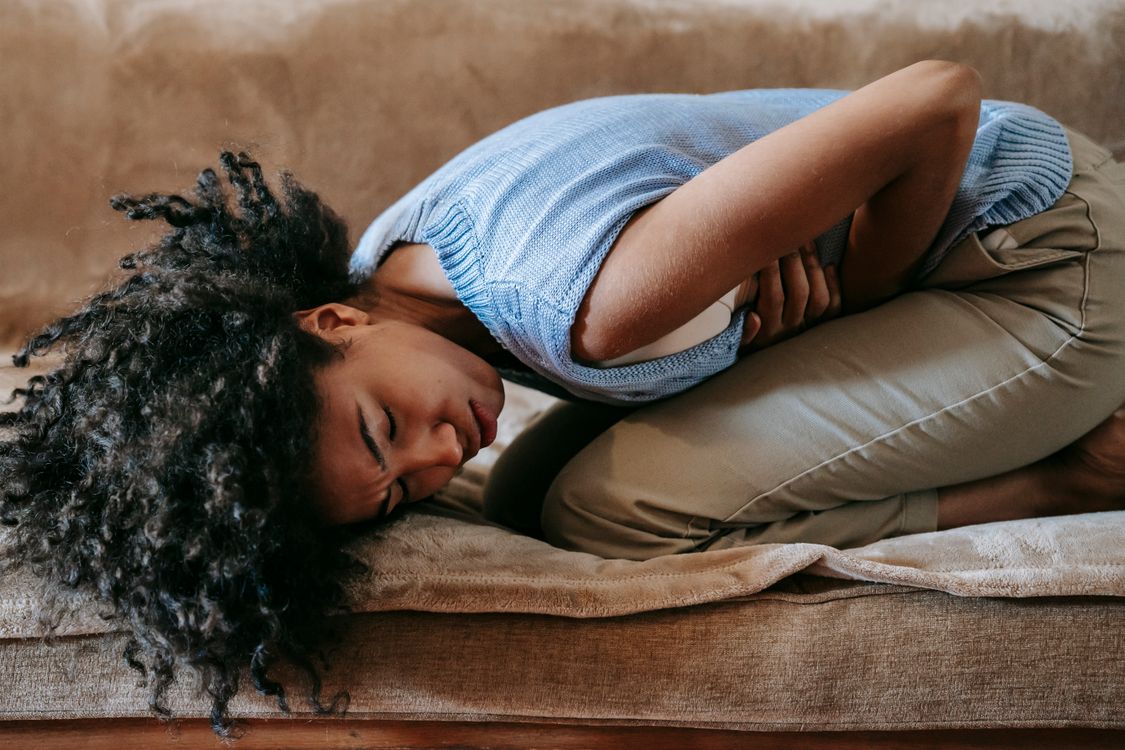
The main symptom of endometriosis is severe pain or cramping in the lower abdomen or pelvis (dysmenorrhea), which can appear days before and during menstruation. Note that pain levels do not always reflect disease severity; even mild endometriosis can feel extremely painful.
Other common symptoms include excessive menstrual bleeding, lower back pain during periods, bleeding outside the menstrual cycle, pain during or after sexual intercourse, and pain when defecating or urinating, especially during menstruation. Digestive complaints such as diarrhea, bloating, nausea, and constipation during periods often accompany it, and some patients experience difficulty conceiving.
Diagnosing Endometriosis
To confirm the diagnosis, the doctor will ask about symptoms and pelvic pain history, then perform supporting examinations such as ultrasound, MRI, or laparoscopy. Laparoscopy, or keyhole surgery, is the standard for definitive diagnosis and can also be used for treatment.
If not treated promptly, endometrial-like tissue growing outside the uterus can affect fertility, especially when the tissue is also present on the ovaries or other pelvic organs. That is why extremely painful periods should not simply be dismissed as normal.
Treatment Options
Endometriosis treatment is tailored to severity, symptoms, age, and the patient's pregnancy plans. Doctors usually prescribe nonsteroidal anti-inflammatory drugs (NSAIDs) such as ibuprofen to reduce inflammation and relieve pain.
Hormone therapy can slow tissue growth and prevent new tissue from forming, for example combination birth-control pills, injectable contraceptives, GnRH agonists or antagonists, and progestin therapy. In certain cases, laparoscopic surgery is needed to remove problematic endometriosis tissue. Get examined promptly if symptoms disrupt daily activities so the condition can be diagnosed and treated sooner.


