
Why Diabetes Symptoms Are Often Overlooked
Diabetes is often called a disease that develops in silence. In its early stages, the symptoms resemble everyday complaints such as fatigue from a busy schedule, lack of sleep, or simply drinking a lot of water, so many people fail to notice them. Yet diabetes can be managed but not cured, making early recognition key to preventing more serious complications.
When blood sugar levels get too high, the body tries to expel the excess through urine. The kidneys work harder and urination frequency increases, including waking up at night. As a result, the body loses large amounts of fluid and electrolytes, which then triggers abnormal thirst.
Classic Symptoms: Thirst, Hunger, and Frequent Urination
The three main symptoms of diabetes are polydipsia or excessive thirst, polyuria or frequent urination, and polyphagia or excessive hunger. Thirst that never goes away even after drinking plenty of water occurs because high blood sugar pulls fluid out of the body's cells.
Hunger that keeps returning even right after eating is also worth watching. It happens because body cells cannot use glucose for energy due to insulin resistance or insulin deficiency, so the brain keeps sending hunger signals. In some patients, weight drops for no apparent reason because the body breaks down fat and muscle as an alternative fuel.
Signs That Are Often Dismissed
Fatigue that does not improve even after enough rest is the most commonly ignored sign. It occurs because glucose cannot enter cells to be converted into energy. Suddenly blurred vision can also be an early signal, since high sugar levels affect the eye's lens; if left unchecked, serious vision problems and even blindness can occur.
Small wounds that take a long time to heal indicate that high blood sugar is impairing circulation and the healing process. Tingling or numbness in the hands and feet shows that nerves are being affected. Also watch for dry, itchy skin, recurring yeast infections in moist body areas, dark patches on skin folds such as the neck and armpits, and loud snoring accompanied by excessive daytime sleepiness.
When to See a Doctor
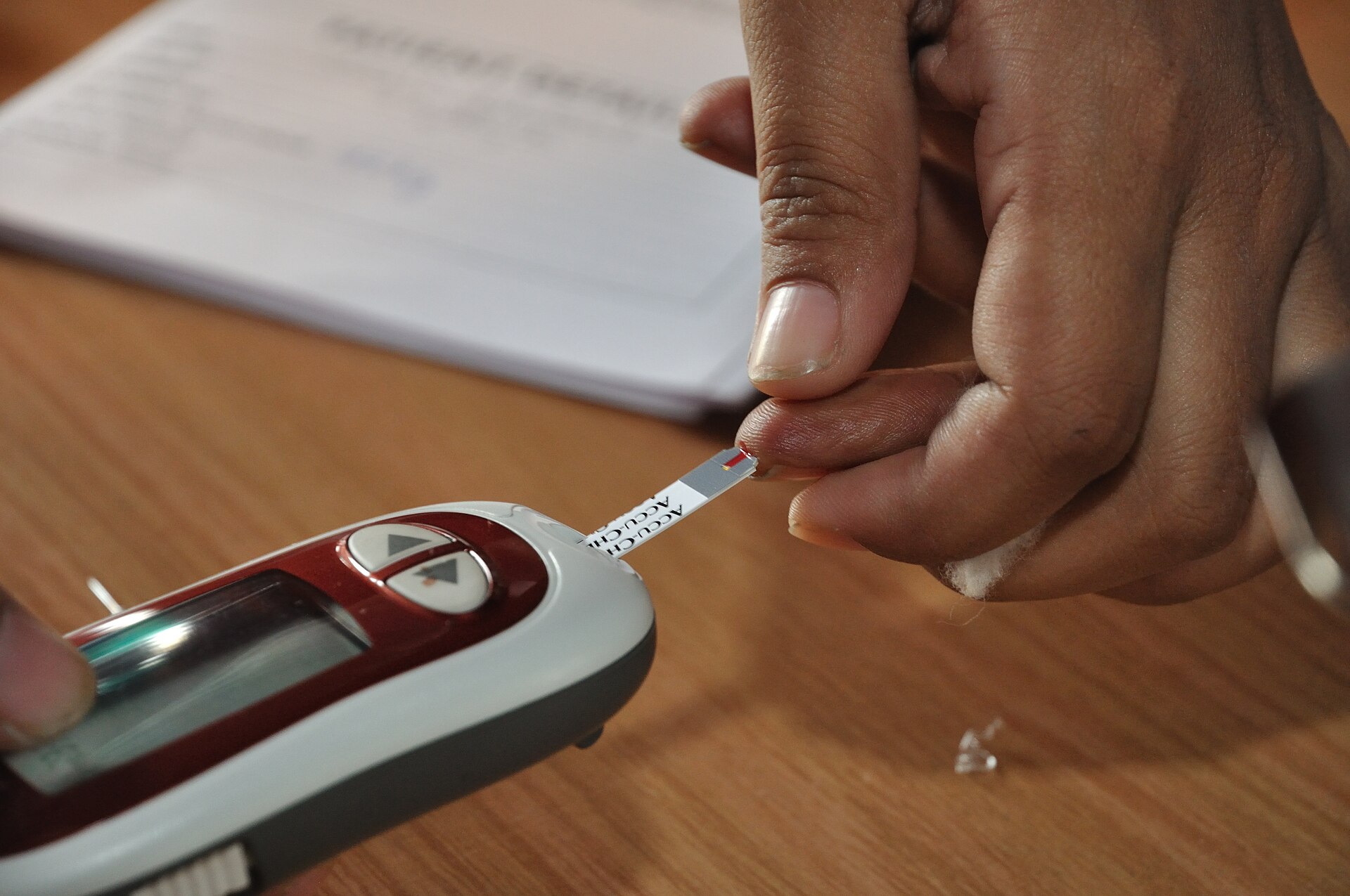
If you experience several of the symptoms above at the same time or repeatedly, get your blood sugar checked at a health facility right away. Early diagnosis allows doctors to prepare the right treatment plan to prevent complications in the kidneys, heart, eyes, and nerves.
Listen to the signals your body sends. Do not dismiss excessive thirst, frequent nighttime urination, or prolonged fatigue as ordinary matters. Consult a doctor or the nearest health facility for an accurate diagnosis and proper treatment.


