
Hypertension, the Silent Killer
High blood pressure, or hypertension, is dubbed the silent killer by WHO experts. The nickname is well earned: most people do not realize they have hypertension until they get their blood pressure checked at a health facility. High blood pressure can develop slowly without causing obvious pain.
That is why the absence of symptoms does not mean you are safe. Left alone, hypertension can damage the body gradually and only becomes apparent once serious complications such as stroke, heart attack, kidney failure, or retinal damage have occurred.
10 Symptoms to Watch Out For
In most cases, people with hypertension experience headaches, especially in the morning and at the back of the head. Also watch for dizziness or lightheadedness, ringing in the ears, blurred vision, and unexplained fatigue.
Other symptoms include chest pain or pressure, shortness of breath during light activity, a pounding or irregular heartbeat, unexplained nosebleeds, nausea and vomiting, anxiety, confusion, and muscle tremors. If you experience several of these symptoms regularly, get your blood pressure checked promptly.
Beware of Hypertensive Crisis
The condition becomes an emergency when blood pressure reaches very high levels, namely systolic 180 mmHg or higher and diastolic 110 mmHg or higher. This is called a hypertensive crisis and requires immediate medical treatment because of the risk of stroke, heart attack, kidney failure, or damage to other vital organs.
Symptoms of a hypertensive crisis include a sudden severe headache, strong chest pain, severe shortness of breath, vision problems including double vision, confusion or decreased consciousness, and weakness on one side of the body. Do not delay seeking medical help if these symptoms appear.
Check Your Blood Pressure Regularly
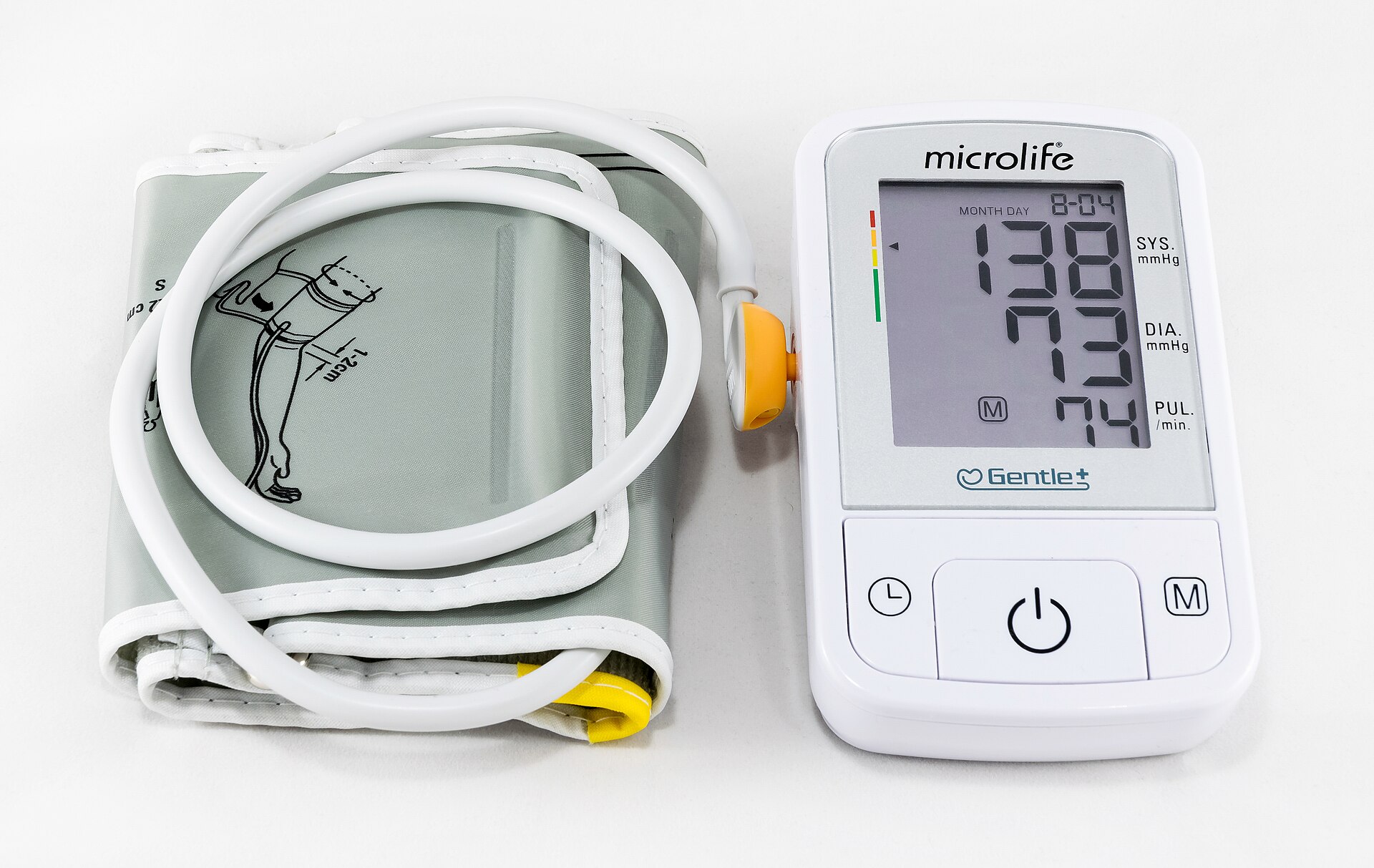
Experts agree that regular blood pressure checks are the most effective step for early detection of hypertension. Measurements can be taken at home with a digital monitor sold over the counter, but a doctor's evaluation remains important for assessing risk and related conditions.
If you have risk factors such as a family history of hypertension, excess weight, smoking, or poor sleep patterns, get checked more often. Consult a doctor for an accurate diagnosis and the right treatment plan before complications occur.


