
Breast Cancer: Early Detection Saves Lives
Breast cancer is one of the deadliest cancers among women. According to Indonesia's Health Ministry, this happens because many patients only seek treatment after reaching advanced stages, when care becomes far more difficult.
Yet breast cancer caught early has a far greater chance of cure. The simplest way to detect it early is breast self-exam — which can be done at home with no special tools and takes only a few minutes each month.
Breast Cancer Symptoms to Watch For
According to the U.S. CDC, breast cancer symptoms to watch for include: a new lump in the breast or underarm; thickening or swelling in part of the breast; irritation or dimpling of breast skin (resembling orange peel); and redness or flaky skin in the nipple area.
Other signs not to ignore: a nipple suddenly turning inward, pain in the nipple or any breast area, nipple discharge other than breast milk (including blood), and changes in breast size or shape. Remember, not every lump means cancer — many are benign such as cysts or fibroadenomas — but any change should still be evaluated by a health professional.
What Self-Exam Is and When to Do It
Breast self-exam is a self-check to detect abnormalities in breast size, texture, and shape. According to the Health Ministry, it is recommended 7–10 days after menstruation, when breasts are not swollen or tender. For postmenopausal women, do it once a month on an easy-to-remember date.
If you find an abnormality during self-exam, get checked at a health facility promptly. Self-exam complements — not replaces — clinical exams and mammograms as your doctor advises.
Self-Exam Steps at Home
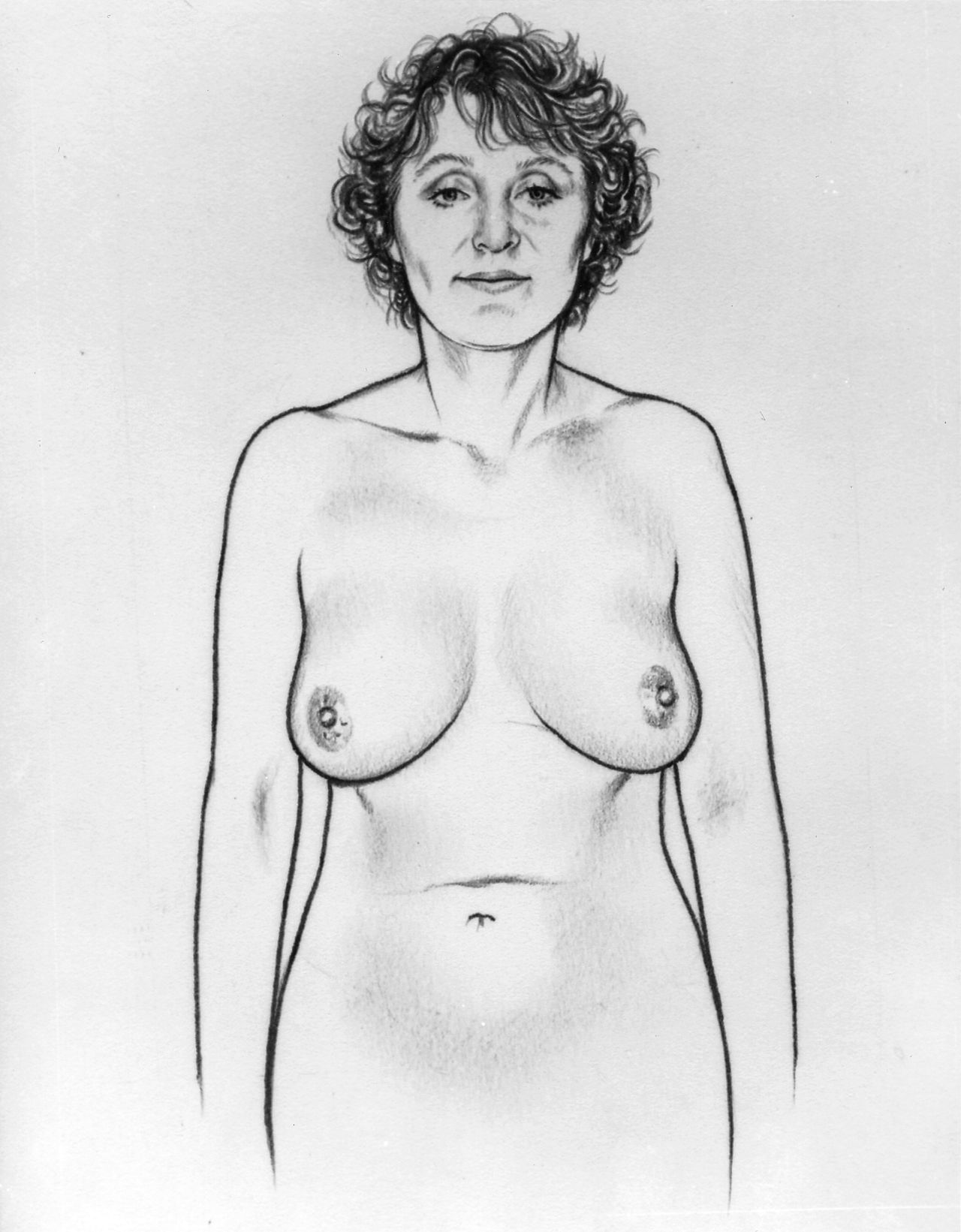
Here are the self-exam steps from the Indonesian Cancer Foundation, cited by the Health Ministry. First, stand upright before a mirror and look for changes in shape, skin surface, swelling, or the nipples. Second, raise both arms overhead, bend the elbows with hands behind the head, then push elbows forward and back while observing the breasts.
Third, place hands on the hips, lean shoulders forward, and tighten the chest muscles. Fourth, raise one arm and feel the entire breast area up to the armpit with your fingertips — using up-down, circular, and straight patterns from the edge toward the nipple. Fifth, squeeze both nipples and check for any discharge; consult a doctor promptly if there is. Sixth, repeat the feeling while lying down with a small pillow under the shoulder.


