
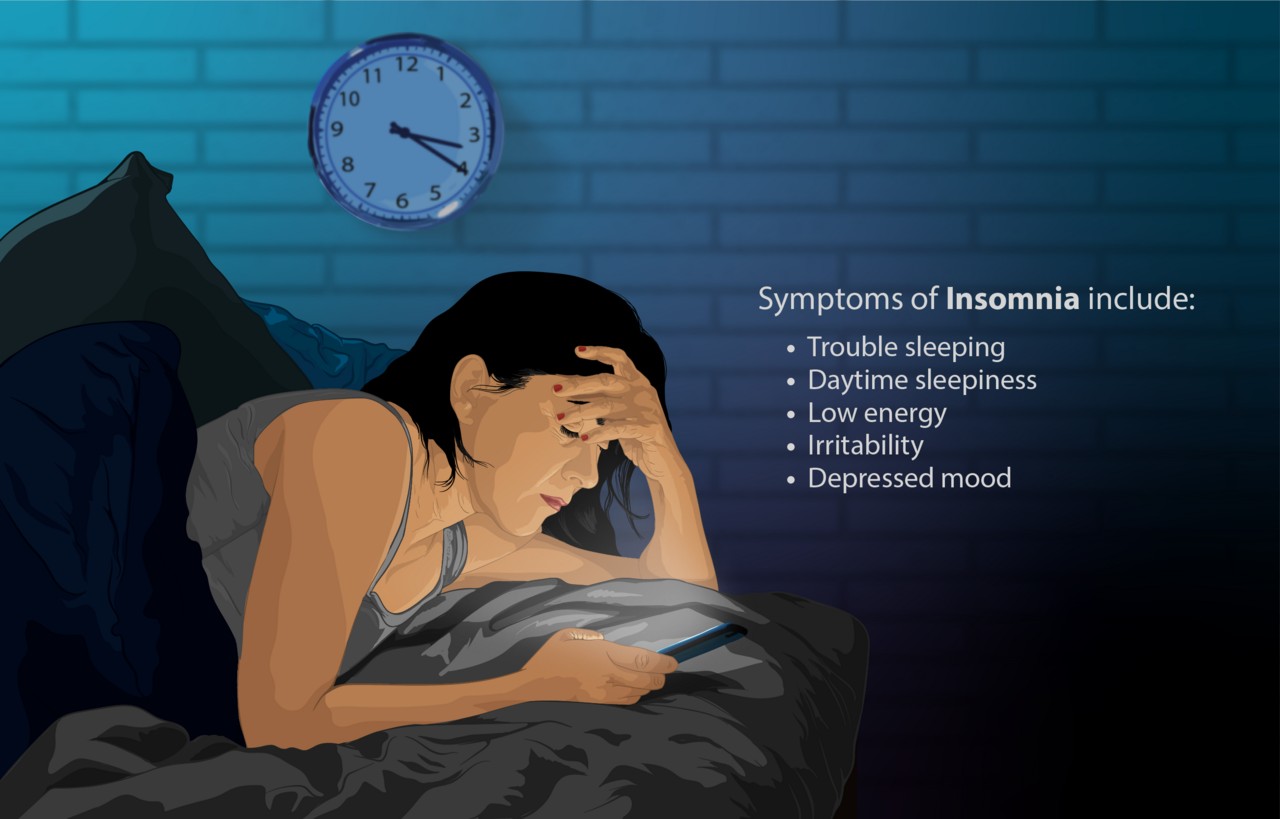
What Insomnia Is and What Causes It
Insomnia is a sleep disorder involving trouble falling asleep, trouble staying asleep, or waking too early and being unable to drift off again — enough to impair daytime functioning. Causes vary: stress, anxiety, irregular sleep schedules, caffeine or alcohol use, and certain medical conditions.
Chronic insomnia is often sustained less by its original trigger than by the sufferer's response: going to bed earlier to 'catch up' on lost sleep, lying awake for hours until the bed becomes a source of frustration, napping, and anxiety about the coming night. Breaking these patterns is the key to recovery.
CBT-I: The First-Line Treatment, Not Sleeping Pills
Mayo Clinic, the NHS, and Cleveland Clinic agree: cognitive behavioral therapy for insomnia (CBT-I) is the recommended first-line treatment for chronic insomnia, ahead of medicines. This structured program retrains the behaviors and beliefs that keep poor sleep going. CBT-I is typically as effective as or more effective than sleeping pills — and its advantage is that benefits persist after therapy ends, whereas a pill's effect stops when the pill does.
CBT-I usually runs 6-8 sessions and covers sleep restriction (matching time in bed to actual sleep), stimulus control, relaxation training, and sleep hygiene education. If you've only been offered a prescription and never heard of CBT-I, it's reasonable to ask your doctor about it.
Sleep Habits You Can Adopt Yourself
Apply stimulus control: set a consistent bedtime and wake time every day, avoid naps, and use the bed only for sleep. If you can't fall asleep within 20 minutes, get up and move to another room — do something light like reading or listening to calm music in dim light, then return to bed only when truly sleepy.
Fix lifestyle habits: avoid caffeine after midday, limit alcohol, quit smoking, and get regular physical activity. Make the bedroom quiet, dark, and cool; hide the clock from view so it doesn't fuel anxiety. Wind down 1-2 hours before bed — a warm bath, gentle stretching, or journaling.
When to See a Doctor
If falling asleep has become a regular struggle that harms your quality of life, it's time to talk to a doctor. Your doctor may ask you to keep a sleep diary for 1-2 weeks to find the pattern, and to rule out other sleep disorders such as sleep apnea that can worsen insomnia.
Don't rely on sleeping pills without medical supervision long-term. If insomnia comes with loud snoring, pauses in breathing during sleep, or heavy daytime drowsiness, further evaluation is needed. Proper early treatment keeps insomnia from growing into a bigger health problem.


