
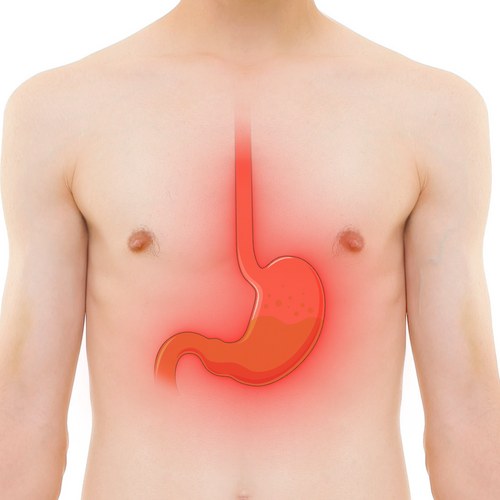
Ulcers and GERD: What's the Difference
'Maag' (ulcer) is not actually a specific disease but a term for a collection of symptoms indicating stomach disorders, such as upper abdominal pain, nausea, bloating, and frequent burping. One of the most common causes of ulcer complaints is GERD.
GERD (gastroesophageal reflux disease) is a condition in which stomach acid flows back into the esophagus due to a weakened sphincter valve at the lower end of the esophagus. It is quite common: about 1 in 4 Indonesians have experienced it.
Ulcer and GERD Symptoms to Recognize
The most hallmark GERD symptom is heartburn — a burning sensation in the chest spreading from the stomach to the throat. Sufferers also often taste bitterness or sourness in the mouth, feel fluid or food rising from the stomach, and experience pain or discomfort in the chest or upper abdomen.
Other possible symptoms include difficulty swallowing, persistent sore throat, hoarseness, a cough that won't go away, bad breath, bloating, and frequent burping. In some sufferers, GERD also causes symptoms beyond the esophagus, such as asthma flaring at night and tooth damage from stomach acid exposure.
GERD risk factors include obesity, pregnancy, smoking, alcohol and coffee consumption, and lying down or sleeping after meals. Watch for danger signs such as difficulty swallowing, repeated vomiting, digestive tract bleeding, unexplained weight loss, and persistent pain — if these appear, see a doctor promptly as an endoscopy may be needed.
Food Restrictions for Ulcer and GERD Sufferers
Diet plays a major role in controlling ulcers and GERD. Foods and drinks to avoid or limit include spicy foods containing capsaicin, which triggers irritation, and fatty foods such as fried foods, cheese, offal, and fatty meats that weaken the esophageal valve.
Acidic fruits and vegetables such as oranges, lemons, pineapples, and tomatoes and their processed forms should also be limited, as they can irritate the stomach and esophagus. Instead, choose sweet fruits like bananas, papaya, red apples, melons, and watermelon. Chocolate, coffee, sodas, and alcohol are also restricted as they can trigger acid reflux.
Beyond food types, eating habits matter too: avoid large single portions or eating too fast, do not lie down right after meals, and leave at least 2-3 hours between dinner and bedtime. Manage stress and get enough rest, as prolonged stress can increase stomach acid production. If complaints do not improve, consult a doctor for proper treatment.


