
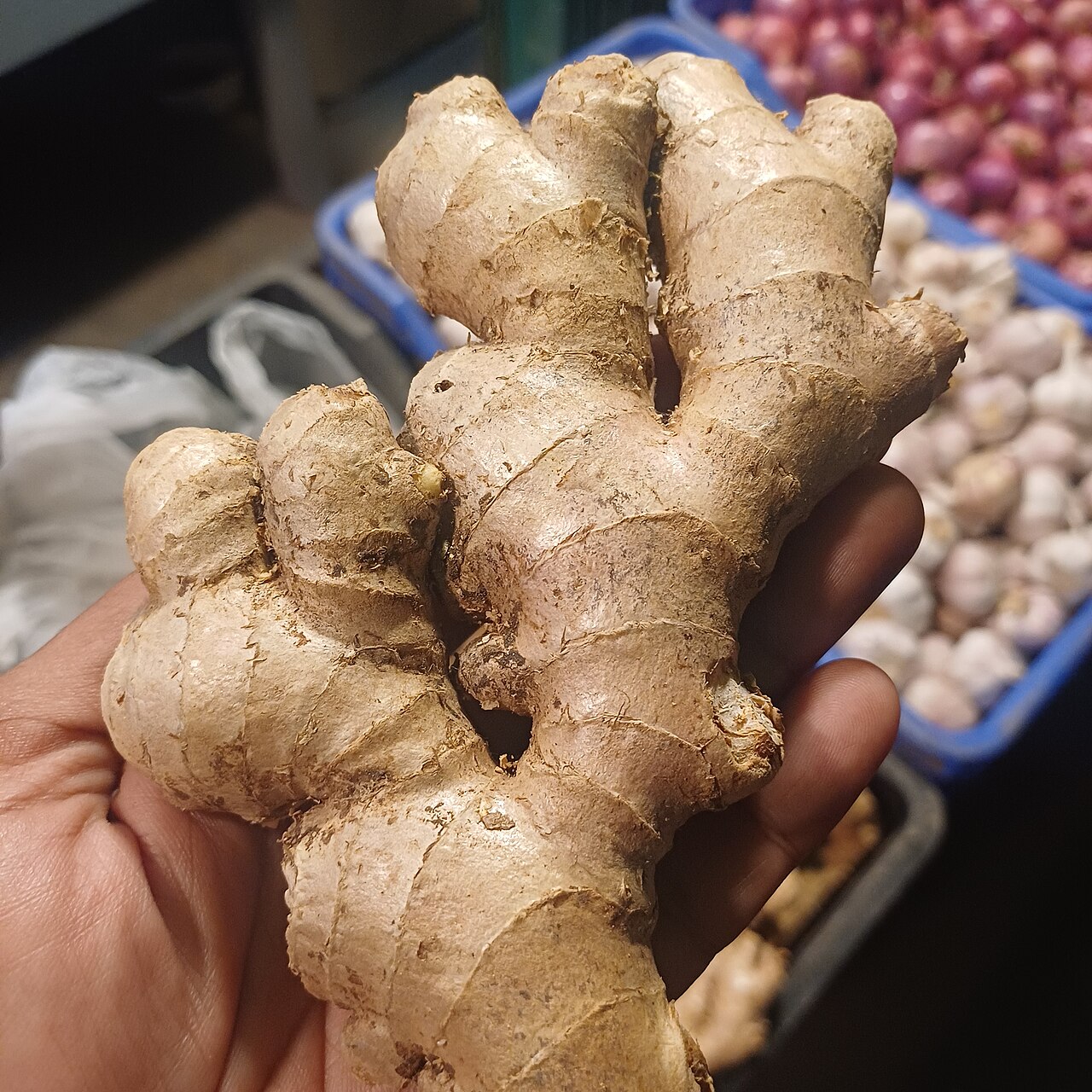
An Ancient Spice Backed by Research
Ginger (Zingiber officinale) is a rhizome plant used as medicine for more than 2,500 years. Its benefits come from bioactive compounds called gingerol — and shogaol — which give ginger its spicy flavor and therapeutic effects.
Modern research now confirms many of those traditional claims, making ginger one of the herbs with the strongest scientific evidence.
Its distinctive warm aroma also makes it a popular ingredient in Indonesian herbal drinks such as wedang jahe.
Relieving Nausea and Aiding Digestion
Ginger's best-known benefit is relieving nausea and vomiting. Meta-analyses show ginger is effective for nausea from motion sickness, pregnancy-related morning sickness, and chemotherapy.
Ginger works by stimulating gastric emptying and speeding the movement of food through the digestive tract, helping relieve stomach pain, bloating, and digestive discomfort.
Ginger is also often combined with honey and lemon in traditional warm drinks to soothe coughs and warm the body in cold weather.
Natural Anti-Inflammatory and Pain Relief
Ginger's anti-inflammatory and antioxidant properties may help prevent chronic illness. A review in the journal Phytotherapy Research found ginger consumption helps relieve pain and inflammation from menstrual cramps (PMS), post-exercise muscle soreness, knee osteoarthritis, and migraine.
Researchers are also studying whether therapeutic doses of ginger may protect the heart and blood vessels, and its role in regulating blood sugar and lowering cholesterol.
Although early evidence is promising, ginger is not a substitute for prescription drugs for chronic conditions such as arthritis or migraine.
How to Consume It and Safety Notes
Ginger can be enjoyed as fresh ginger tea (slice 2–3 cm of rhizome, simmer for 5 minutes), in cooking, or as ginger powder — though powder has slightly less anti-inflammatory impact than fresh ginger.
Ginger is generally safe, but pregnant and breastfeeding women and people taking blood thinners should consult a doctor first about the right dosage.
For people with gastritis or acid reflux, do not overconsume ginger, as its spiciness can trigger heartburn in some people; start with a small dose and watch your body's response.


