
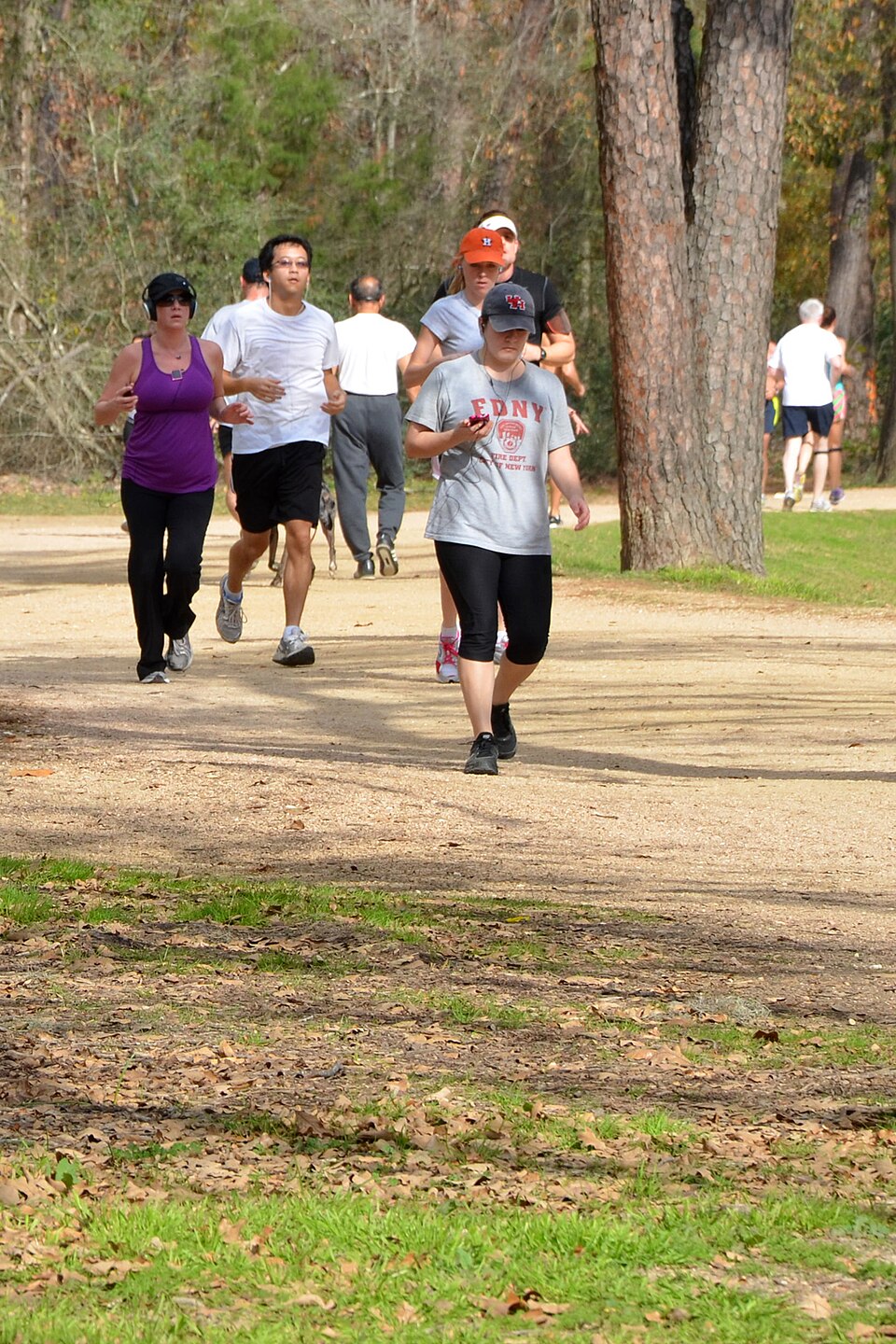
The Cheapest Exercise Anyone Can Do
Walking is the simplest aerobic exercise anyone can do, anytime and anywhere. It requires no money, special equipment, or particular skill — just comfortable shoes and the will to move.
Global health authorities recommend at least 150 minutes of moderate-intensity physical activity per week. That equals 30 minutes of walking a day for five days a week, a realistic target for most people.
A Healthier Heart and Controlled Blood Sugar
Regular walking improves blood circulation, lowers blood pressure, and helps control cholesterol. A meta-analysis in the European Journal of Epidemiology found that walking 30 minutes a day is linked to a 19 percent lower risk of heart disease.
The activity also improves insulin sensitivity, helping regulate blood sugar. A study in the New England Journal of Medicine (2002) recorded up to a 30 percent lower risk of cardiovascular disease, along with a reduced risk of type 2 diabetes. As a bonus, 30 minutes of walking burns around 150 calories, helping maintain body weight.
Stronger Bones and a Calmer Mind
The repetitive motion of walking strengthens the leg, hip, and core muscles while maintaining bone density, lowering the risk of osteoporosis later in life. Its injury risk is far lower than that of intense sports.
The benefits go beyond the physical. Walking triggers the release of endorphins that lift your mood. Harvard T.H. Chan School of Public Health research found that walking 15-30 minutes a day can reduce depression symptoms by up to 26 percent and help ease stress and anxiety.
Tips for Starting a Walking Habit
Start light, for example 10-15 minutes a day, then build up gradually to 30 minutes. Keep a moderate pace — brisk enough that your breathing quickens but you can still talk. Choose a safe, pleasant route, and invite friends or family to stay consistent.
If you have a history of heart, lung, or joint problems, consult a doctor before starting a regular exercise program.


