
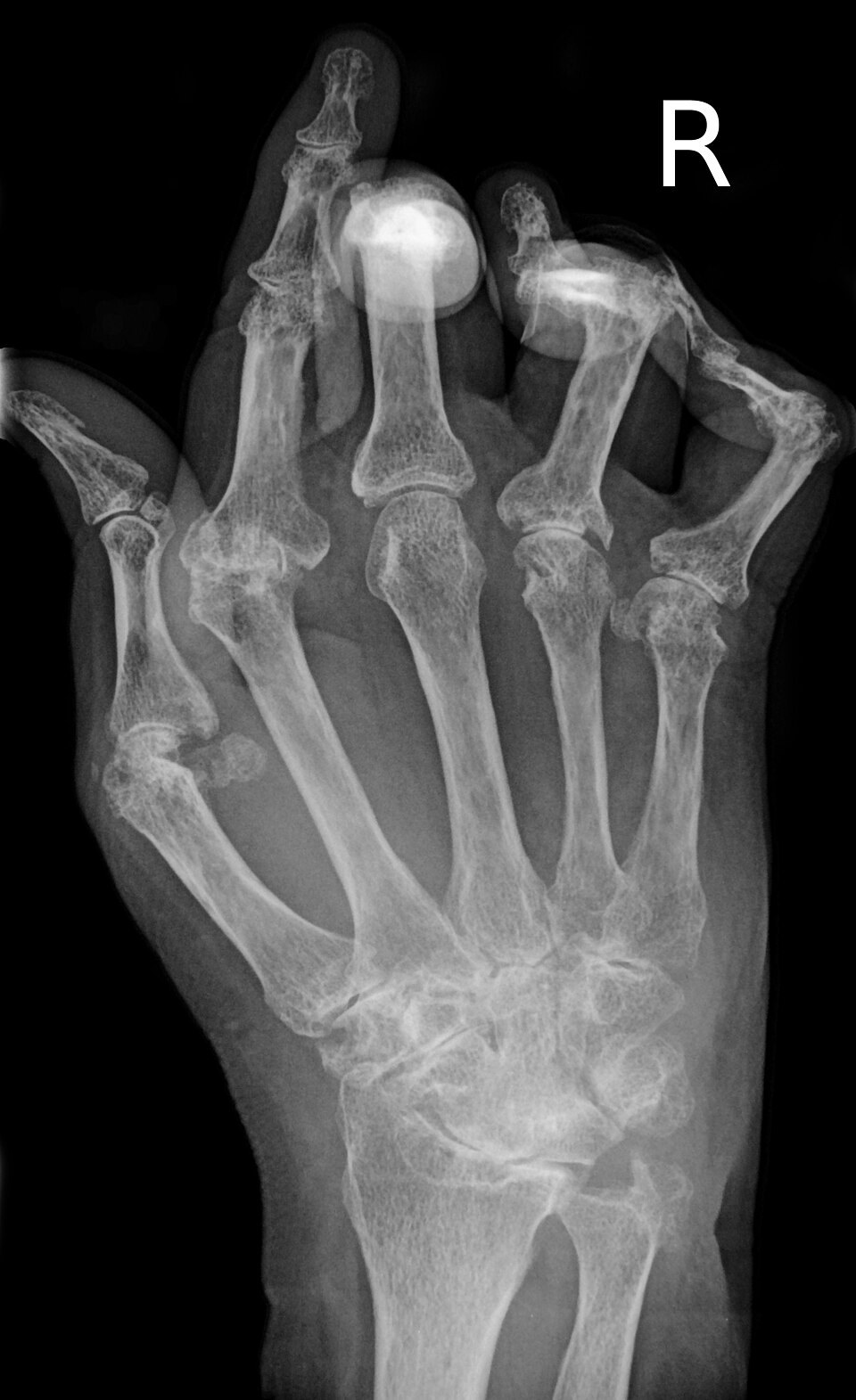
What Rheumatism and Joint Pain Are
Rheumatism is a general term for a number of diseases affecting the joints, muscles, and connective tissue. It covers diverse conditions, from rheumatoid arthritis caused by autoimmune disorders, osteoarthritis due to aging, gout, lupus, to ankylosing spondylitis.
In autoimmune rheumatism such as rheumatoid arthritis, the immune system turns against healthy joints, making them painful, stiff, and swollen. In osteoarthritis, the cartilage cushioning the joints wears down over time so bones rub together, causing pain.
Causes of Joint Pain to Know
Joint pain can be triggered by many factors. Genetic factors or a family history of rheumatism raise a person's risk. Obesity is a major trigger because the knee and hip joints must bear excess weight during activity.
Lifestyle plays a role too: smoking, inactivity, and untreated joint injuries can accelerate joint damage. In young people, rheumatism can arise from autoimmune factors and unhealthy lifestyles. Typical symptoms are painful joints, stiffness especially in the morning, swelling, and redness, which usually come and go and can worsen if treatment is delayed.
How to Manage Joint Pain and Rheumatism
Rheumatism treatment is tailored to its cause, so a doctor's examination is important for diagnosis. Doctors generally prescribe nonsteroidal anti-inflammatory drugs (NSAIDs) to relieve pain and inflammation, painkillers, or immune-suppressing drugs such as DMARDs and corticosteroids for autoimmune cases.
Besides medication, physiotherapy helps strengthen muscles and train joints to stay flexible. At home, you can apply a warm compress to relieve pain or a cold compress for swollen joints. Regular light exercise such as swimming, yoga, or stretching keeps joints supple without excessive impact.
Diet matters too: eat plenty of antioxidant-rich vegetables and fruits, choose low-fat protein such as fish and tempeh, and limit salt, sugar, and processed foods. Turmeric containing curcumin is anti-inflammatory and may help relieve joint pain. Manage stress well, as stress can worsen symptoms.
When to See a Doctor
Consult a doctor promptly if joint pain does not improve within days, joints stay swollen and stiff, or complaints disrupt daily activities. In severe cases, doctors will refer you to a rheumatologist for more detailed treatment.
Do not ignore rheumatism, as poor management can lead to serious complications, from permanent joint damage and bent fingers to heart disease and osteoporosis. Fast, proper treatment can relieve symptoms and prevent flare-ups and complications.


