
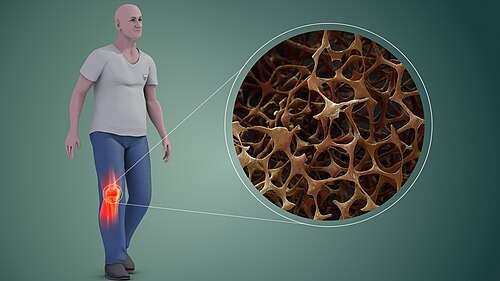
Osteoporosis, the Silent Bone-Thinning Disease
Osteoporosis is a condition in which bone density decreases, making bones porous and easy to fracture. Bones are living tissue that constantly renews itself, but with age, bone loss can outpace new bone formation.
The disease is nicknamed a silent disease or silent epidemic because it rarely causes symptoms in its early stages. Often, people only learn they have osteoporosis after fracturing a bone from a fall or minor impact that should not have caused a break.
Recognizing Osteoporosis Symptoms
Although often symptomless, several signs can appear as bone density declines. These include persistent back pain over a long period, an increasingly stooped posture, and gradually shrinking height.
Another warning sign is bones that break or crack easily even from light bumps or pressure. The most commonly affected bones are the spine, wrists, arms, and hips.
According to the Ministry of Health, if your height has decreased by 3 cm or more, consult a doctor promptly. Those most at risk are postmenopausal women due to declining estrogen, the elderly, smokers, alcohol drinkers, and long-term corticosteroid users.
How to Prevent Osteoporosis Early
The good news is that osteoporosis can be prevented from a young age. The key is meeting calcium and vitamin D needs. Daily calcium requirements are 1,000 mg for ages 19-50 and 1,200 mg for those over 50. Good calcium sources include milk and dairy products, green vegetables, tofu, tempeh, and fish.
Vitamin D helps the body absorb calcium and can be obtained from morning sunlight and certain foods. In addition, do weight-bearing exercises such as walking, light running, or weightlifting regularly to stimulate bone formation.
Avoid bone-damaging habits: quit smoking, limit alcohol and sodas, and maintain an ideal weight. Consult a doctor about bone density testing if you are in a high-risk group.


