
What Sinusitis Is and Its Symptoms
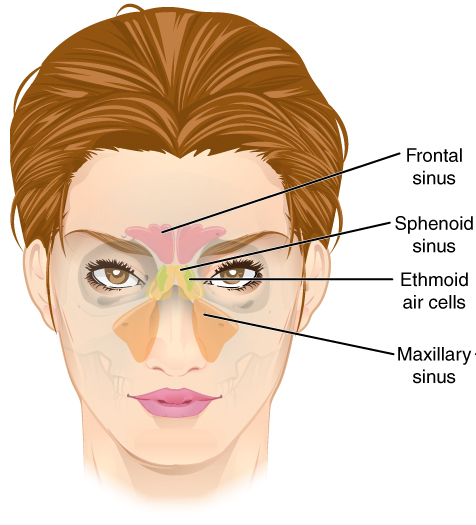
Sinusitis is inflammation of the sinuses — the air-filled spaces inside your nose and head. When the sinuses swell, mucus can't drain and builds up. According to Mayo Clinic, symptoms include a runny and stuffy nose accompanied by pain, swelling, and pressure around the eyes, nose, cheeks, or forehead that gets worse when bending over.
Other common symptoms: difficulty breathing through the nose, headache, tooth pain, and thick clear, yellow, or greenish mucus from the nose or draining down the throat. Note that a change in mucus color alone does not automatically indicate a bacterial infection.
Acute vs. Chronic Sinusitis
Acute sinusitis is most often triggered by the common cold or other respiratory viruses, usually lasts 3 to 7 days, and typically goes away on its own within 7 to 10 days. At this stage, home care is often enough — and time is the best medicine.
But if symptoms last more than 12 weeks despite treatment, the condition is called chronic sinusitis. Its symptoms resemble a cold that never ends: nasal congestion, thick discolored discharge, dull facial pain, and reduced sense of smell and taste. With severe inflammation, nasal polyps can form and obstruct breathing.
How to Treat It at Home
Several simple treatments can ease sinusitis symptoms. Drink plenty of fluids to thin mucus, use over-the-counter pain relievers and decongestants, and rinse your nose with a saline solution several times a day. Inhaling steam from a bowl of hot water with a towel over your head, or taking a hot shower, also helps.
Apply warm, damp compresses around your nose, cheeks, and eyes for 20-30 minutes, two to four times a day to ease facial pain. Avoid alcohol, which worsens swelling of the nasal lining, and don't smoke or breathe secondhand smoke. Use nasal decongestant sprays for only a few days, as overuse can worsen congestion.
When to See a Doctor
Most sinusitis is caused by viruses, so antibiotics have no effect. But a secondary bacterial infection is possible. According to Mayo Clinic, antibiotics are generally considered when symptoms worsen or don't improve after 10 days. If prescribed, finish the whole course even after symptoms improve so they don't come back.
See a doctor or health facility promptly if you start getting better and then get worse — with severe facial pressure, tooth pain, fever, and fatigue after about a week of illness. For chronic sinusitis, doctors may suggest nasal or oral steroids, and if medication isn't enough, endoscopic sinus surgery to widen the drainage openings.


