What Is Umrah
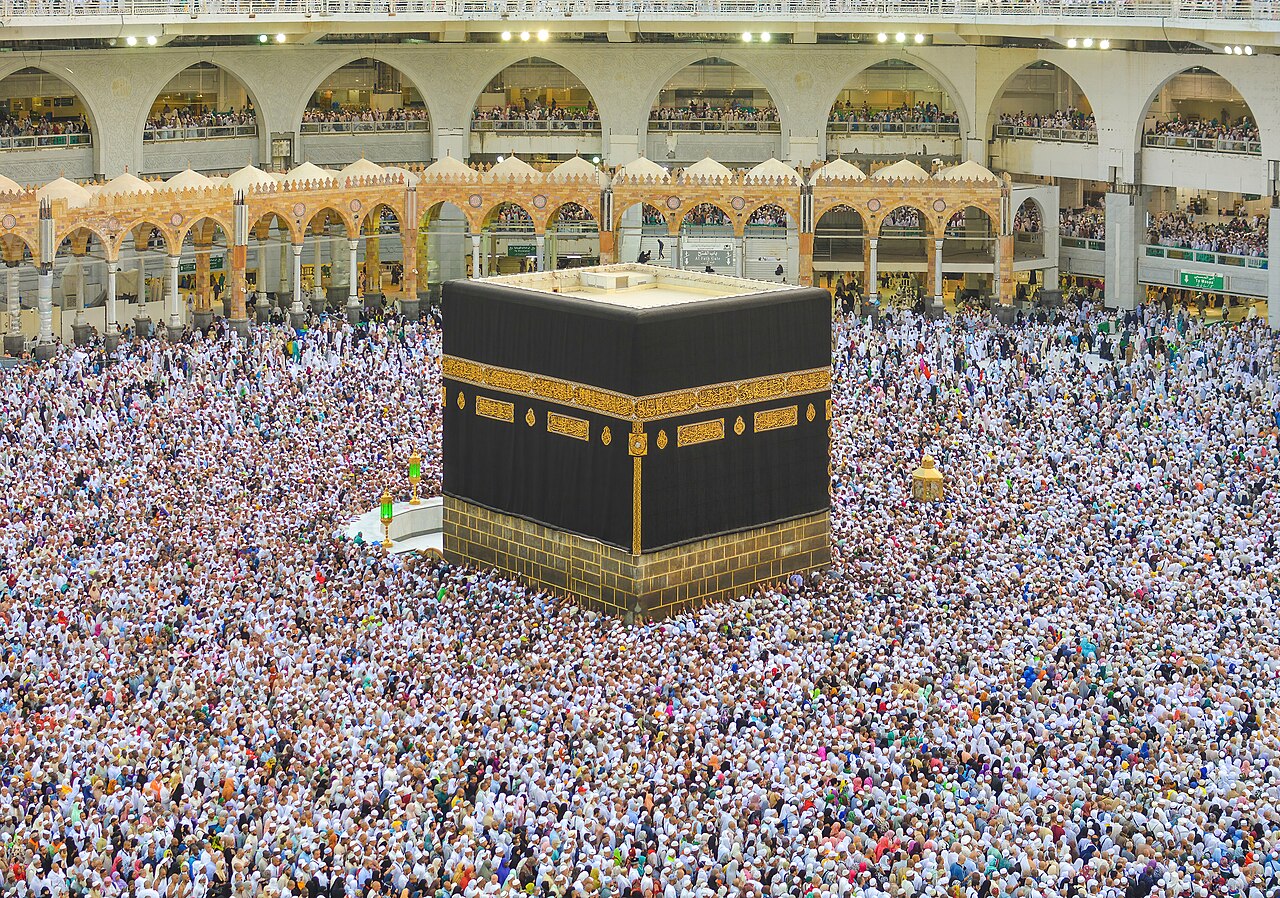
Umrah literally means a visit or pilgrimage. In Islamic law, it is a visit to the House of Allah in Makkah to perform a series of rites: tawaf, sa'i, and tahallul, seeking Allah SWT's pleasure.
According to the Shafi'i and Hanbali schools, umrah is obligatory once in a lifetime for those who are able, based on Allah's words in Quran Al-Baqarah: 196. The Prophet SAW said that one umrah to the next expiates sins between them. Unlike hajj, umrah can be performed at any time except on the Day of Arafah and the days of tashriq (11–13 Dhu al-Hijjah).
Requirements for Umrah
Before departing, ensure these requirements are met: (1) being Muslim, (2) having reached puberty, (3) being of sound mind, (4) being free (not enslaved), and (5) istitha'ah — capability in body, spirit, finances, and transportation, including safety of travel.
For women, a mahram companion or the guardian's permission is required, as the Prophet SAW said: “A woman may not travel except with a mahram” (narrated by Bukhari and Muslim).
Pillars and Obligatory Acts of Umrah
Umrah has five pillars that must be performed in order: (1) ihram, the intention to begin umrah from the miqat; (2) tawaf, circling the Kaaba 7 times starting from the Black Stone while in a state of purity; (3) sa'i, walking (and jogging for men between the green markers) 7 times from Safa hill to Marwah — commemorating Hajar's struggle searching for water for Prophet Ismail AS; (4) tahallul, shaving or trimming the hair as the sign ihram has ended; (5) performing them in sequence.
The two obligatory acts of umrah are: entering ihram from the designated miqat and avoiding the ihram prohibitions. Missing an obligatory act keeps the umrah valid, but the pilgrim must pay dam (expiation).
How Umrah Is Performed
The rites begin with the recommended bath, applying perfume to the body, and wearing the ihram garments (for men), followed by a 2-rak'ah ihram prayer. At the miqat, pilgrims make the umrah intention by saying “Labbaika Allahumma ‘umratan” (O Allah, here I am to perform umrah), then recite the talbiyah frequently during the journey.
Upon reaching Masjid al-Haram, pilgrims perform tawaf 7 times, pray 2 rak'ahs, then sa'i between Safa and Marwah 7 times, and finish with tahallul — shaving the head (preferred for men) or trimming a little for women.
Prohibitions During Ihram
While in ihram, pilgrims are prohibited from wearing perfume, cutting hair and nails, hunting animals, proposing or marrying, and from foul speech, quarreling, or fighting. Men may not wear stitched garments that shape the body nor footwear covering the ankles; women may not wear the face veil (niqab) or gloves.
Make sure to choose a travel agency officially licensed as PPIU (Umrah Travel Organizer) by the Ministry of Religious Affairs, and beware of offers priced far below reasonable rates.