
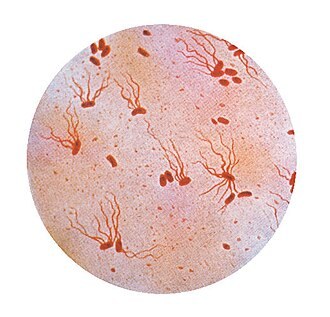
What Typhoid Is
Typhoid, or typhoid fever, is an infectious disease caused by Salmonella typhi bacteria. The bacteria spread through the fecal-oral route, usually via food or drinks contaminated with a sufferer's stool or urine.
Both children and adults can catch typhoid, especially in developing countries with poor sanitation. The incubation period is usually 1-2 weeks, and symptoms develop gradually over about 3-4 weeks.
Typhoid Symptoms to Watch For
The most typical early typhoid symptom is fever. At first body temperature is still low, but it keeps rising over the following days, reaching 39-40 degrees Celsius, usually toward late afternoon and evening. Headaches are also among the most common symptoms as the bacteria enter the bloodstream.
Digestive tract problems follow: nausea and vomiting, abdominal pain, and diarrhea or constipation. Diarrhea is more common in children, while constipation more often affects adults. Sufferers also experience loss of appetite, fatigue and lethargy, and muscle aches. Some develop a rash of red spots on the stomach and chest.
Go to the nearest hospital ER immediately if typhoid symptoms come with bloody stools, unbearable abdominal pain, or coughing or vomiting blood. Typhoid that is not treated seriously risks dangerous complications such as intestinal bleeding and perforation.
Food and Habit Restrictions During Typhoid
To recover quickly and avoid infecting others, typhoid sufferers must observe several restrictions. First, avoid raw foods such as raw sushi, undercooked steak, and half-boiled eggs — cook all food until fully done so germs die.
Second, don't drink water carelessly, such as tap water; choose bottled drinking water with guaranteed hygiene. Third, avoid random street snacks, as their hygiene is not guaranteed and they risk Salmonella typhi contamination.
Fourth, get used to washing hands with soap under running water for at least 20 seconds, especially after the toilet and before touching food. Finally, don't prepare food for others while sick, as it risks spreading typhoid. Give sufferers soft, nutritious foods like porridge, chicken soup, and boiled eggs in small but frequent portions.
Typhoid Treatment and Prevention
The main treatment for typhoid is doctor-prescribed antibiotics such as ciprofloxacin, cefixime, or azithromycin. Symptoms generally improve within 3-5 days after treatment starts, with a 7-14 day course. Antibiotics must be finished as directed to prevent bacterial resistance and relapse.
Doctors may also give fever reducers and medicine for diarrhea or constipation. Most cases can be managed at home with enough rest, healthy food, prescribed medication, and plenty of water to prevent dehydration.
Typhoid can be prevented with typhoid vaccination, hygienic food and drinks, and handwashing habits. If you experience typhoid symptoms, see a doctor promptly for proper treatment and to avoid complications.


