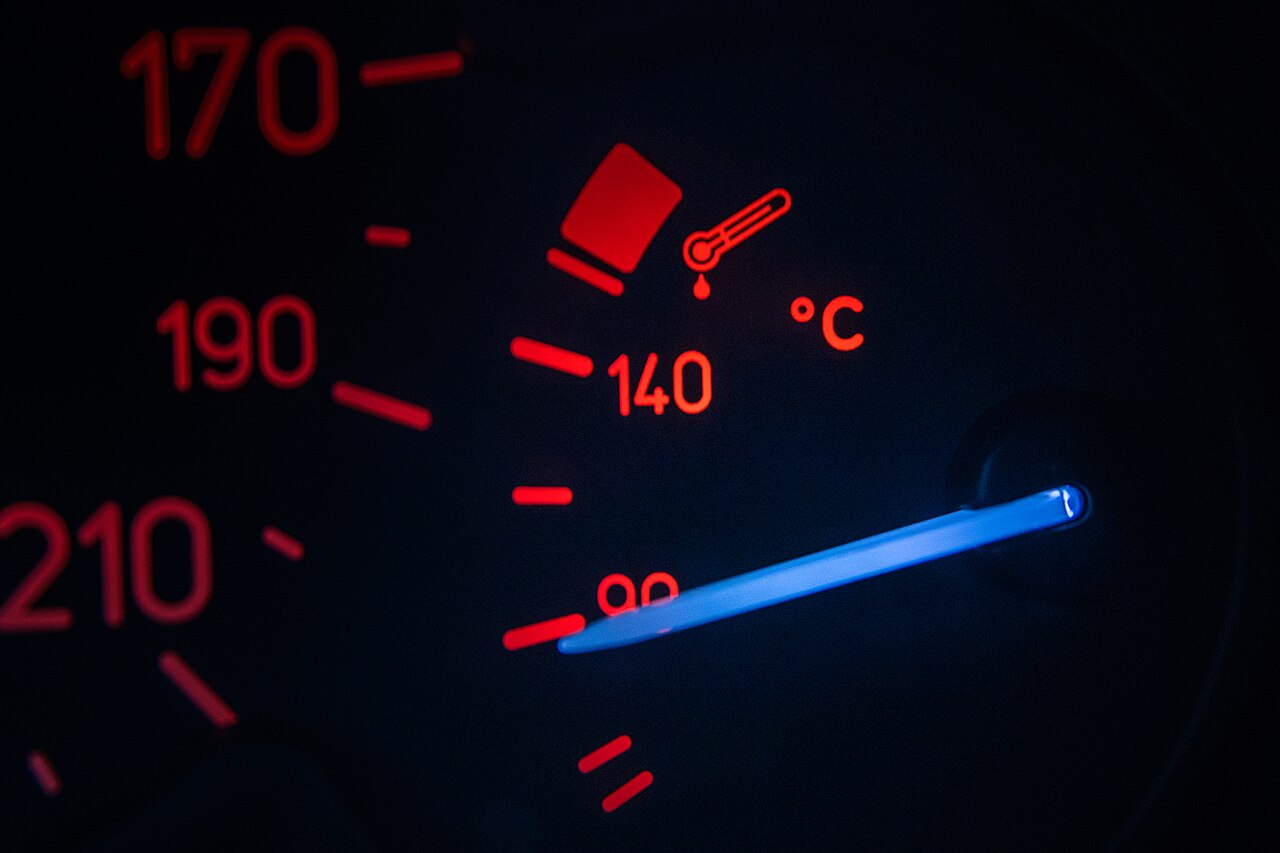
Red Indicators: Stop Immediately
Red lights are the most serious warnings. The oil-pressure indicator (oil-can icon) means engine lubrication trouble — pull over at once, switch off, and check the oil level with the dipstick. Forcing the car on can fatally damage the engine.
A temperature indicator (thermometer) turning red signals overheating, possibly from low radiator coolant or a dead cooling fan. Stop, switch off, and let it cool before opening the radiator cap. A brake indicator staying lit after releasing the handbrake means brake fluid is nearly empty or the brake system has a fault — never ignore it, as safety is at stake.
Yellow Indicators: Get to a Workshop Soon
The check-engine light (engine icon) signals trouble in the engine, sensors, or emission system. Causes range from trivial — like a loose fuel cap — to serious. Confirming it requires an ECU scan with a scanner tool at a workshop.
A lit battery indicator means charging-system trouble: a weak battery, loose cable, or faulty alternator. Switch off electrical devices like AC and audio so the engine stays alive until you reach a workshop. Lit ABS and airbag indicators mean those safety features may not work — avoid sudden braking and get them checked.
Green and Blue Indicators: Just Information
Not every light means trouble. Green indicators generally mark active functions, like turn signals, headlights, or cruise control. A blue temperature indicator when the engine is freshly started means it is still cold and normal — it goes off by itself once operating temperature is reached.
A lit fuel indicator (fuel-pump icon) means fuel is running low. Find the nearest gas station soon; don't habitually run the tank empty as it can damage the fuel pump.
What to Do When an Indicator Lights Up
The practical rule: red means stop now, yellow means schedule a check soon, green/blue means carry on calmly. Don't cover indicators with tape or ignore them for weeks — small problems left alone become expensive damage.
Make it a habit to glance at the instrument panel every drive, especially before long trips. Knowing what each symbol means helps you make the right call in critical moments.