BYD Patents Its First Humanoid Robot, Xiao Di
Chinese auto giant BYD has unveiled the design of its first self-developed humanoid robot, following publication of its "Embodied AI Robot" design patent by the China National Intellectual Property Administration on October 9, 2026. The patent describes a smart robot that can walk, balance, and interact with its environment, intended for service, education, and industry.
The move underscores BYD's ambition in embodied AI — artificial intelligence with a physical body — a long-term strategy launched in 2022 with a dedicated research team. The company wants to leverage its industrial scale to customize robot hardware and systems, focusing on perception, decision-making, and execution.
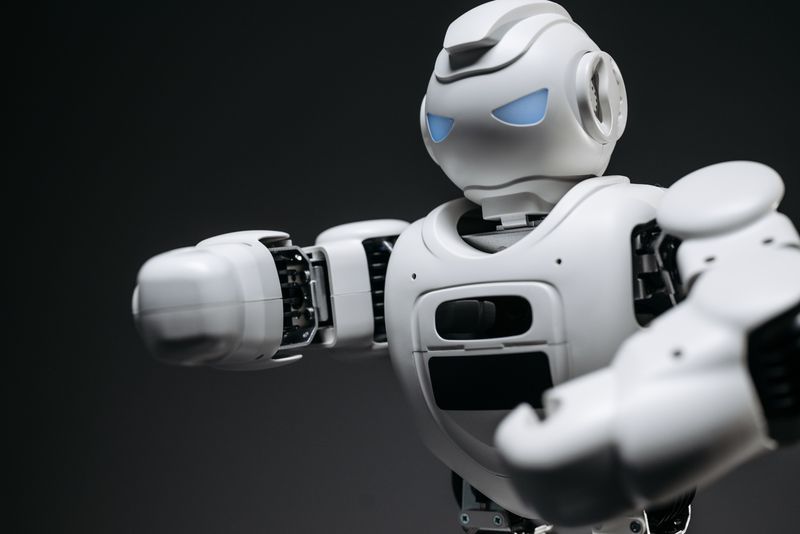
The published design shows a slim anthropomorphic aesthetic in black and white. The robot's head is a rounded dome without a display, while its torso, arms, and legs have many joints. It closely resembles "Xiao Di" (Little Di), a humanoid robot BYD previously teased — though the company has not confirmed whether the patent is Xiao Di's final production model.
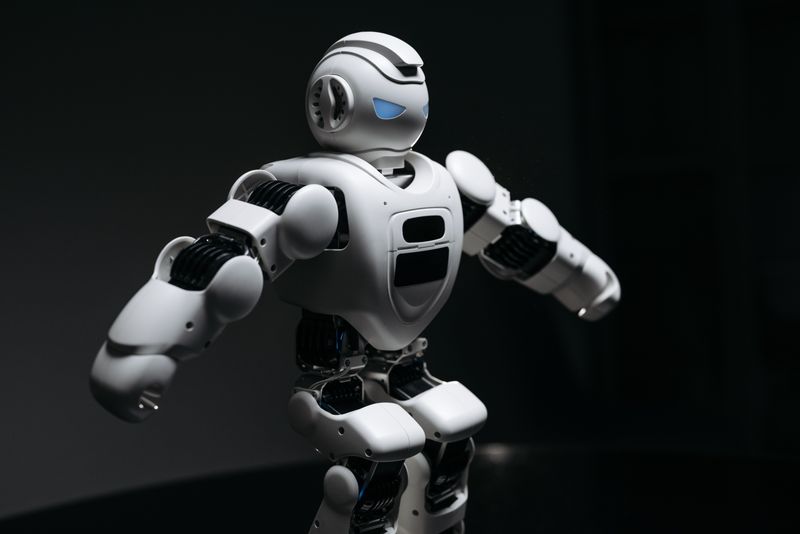
Xiao Di Specs: 31 Degrees of Freedom
Based on previously disclosed information, "Xiao Di" stands 1.61 meters tall and weighs 58.5 kg. It has 31 degrees of freedom and dexterous hands with ±1 mm repeat-positioning accuracy, enabling tasks like grasping objects, gesture interaction, and pointing-based explanations.
Beyond internal research, BYD keeps expanding its robotics footprint. It invested in Agibot in August 2023 and took a stake in Percibot in April 2025. It also uses its own factories as testbeds, including deploying Ubtech's industrial humanoid Walker S1 at its Changsha plant for material handling and identification.
Note that a design patent is no guarantee of mass production. BYD has disclosed no launch schedule, price, or final specifications. What exists today are patent drawings, basic capability descriptions, and Xiao Di's previously circulated technical data.
Humanoid Robots Coming to BYD Dealerships
BYD executives have signaled plans to place these robots across the dealership network, with standardized tasks like greeting customers, explaining vehicle features, and demonstrating in-cabin infotainment systems. Rather than building a new distribution network, BYD plans to sell robots alongside its electric-car lineup at existing official dealerships.
The long-term vision extends beyond factories and showrooms: BYD management sees a huge future market in commercializing humanoid robots as smart home assistants and helpers across commercial industries. The biggest challenges ahead are regulatory readiness, pricing the robots within mass-market reach, and safety education for domestic use.
For the industry, BYD's move lengthens the list of Chinese automakers venturing into robotics. With the patent published on October 9, 2026, BYD has at least locked in its first humanoid robot's early design — marking a new chapter in its journey from electric vehicles toward embodied AI.