
Eat More Soluble Fiber
Fiber is cholesterol's natural enemy. Soluble fiber works like a sponge in the intestines: it binds bile acids made from cholesterol and carries them out of the body. That reduces cholesterol absorption in the gut and brings blood cholesterol down.
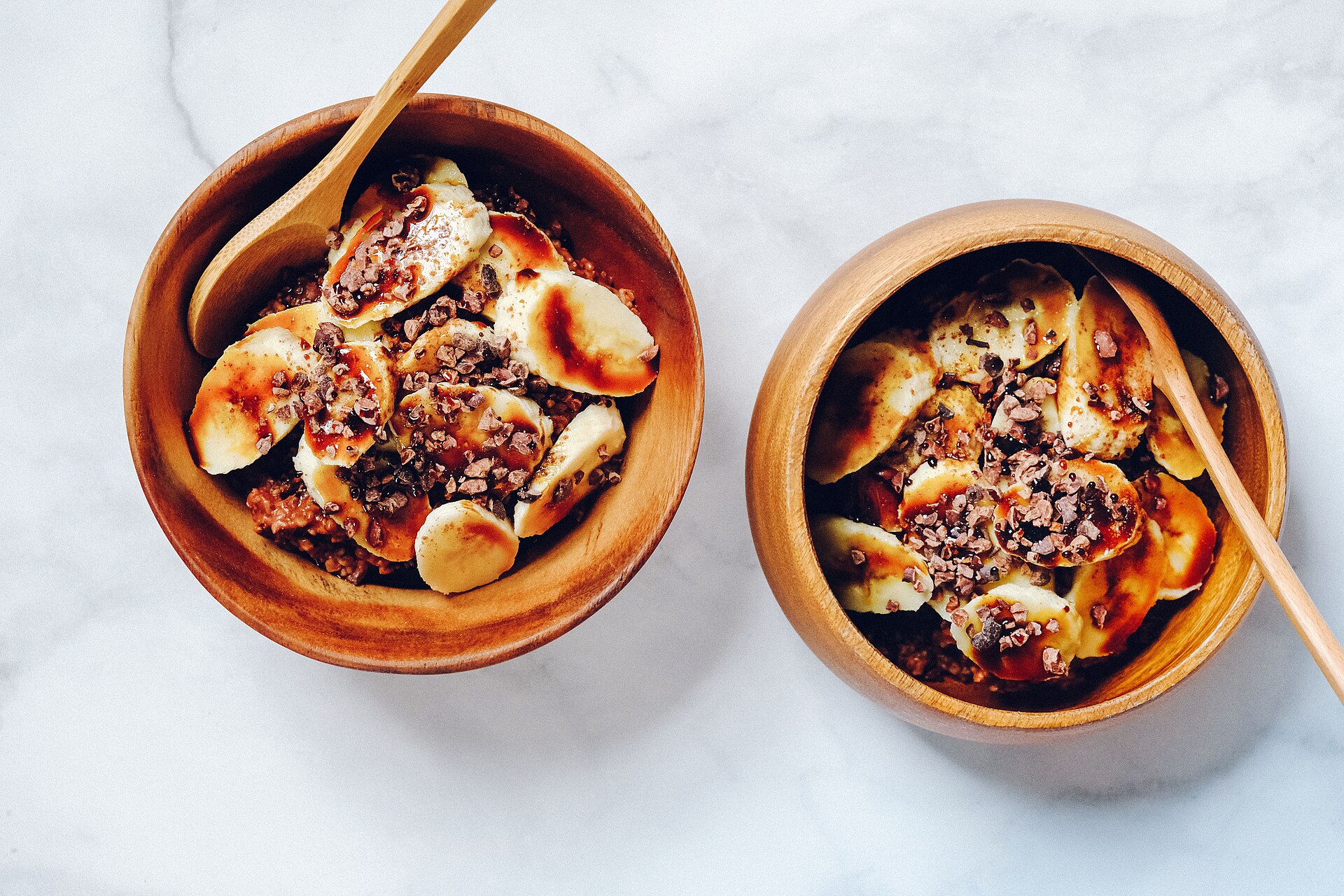
Good sources of soluble fiber include oatmeal, apples, bananas, kidney beans, and carrots. Eating around 500 grams of vegetables and fruit daily is recommended. Soybeans and their products such as tofu, tempeh, and soy milk also contain isoflavones that can suppress LDL.
Choose Healthy Fats, Limit Bad Fats
Not all fats are bad. Omega-3 fatty acids actually help lower triglycerides and protect heart health. The best sources are sea fish such as salmon, sardines, and mackerel, recommended at least twice a week, grilled or steamed rather than deep-fried.
Conversely, limit saturated and trans fats, which can raise LDL. They are abundant in fast food, fried snacks, margarine, fatty red meat, and full-fat dairy products. Replace them with monounsaturated fats from olive oil, avocados, and nuts.
Cut Sugar and Choose the Right Protein
Reducing high-sugar foods is also a natural way to lower cholesterol. Excessive sugar intake can raise bad cholesterol while lowering good cholesterol. Limit sweet drinks, cakes, and sugary snacks.
Be selective with protein sources. Choose lean meat, skinless chicken, and egg whites, or plant proteins such as tempeh, tofu, and legumes, which are cholesterol-free. Avoid cooking them by deep-frying or mixing with thick coconut milk.
Stay Active and Live Healthily
Aerobic exercise such as walking, cycling, swimming, or yoga for 30 minutes a day, five times a week, effectively lowers LDL while raising HDL. If you are overweight, losing 5 to 10 percent of your body weight can make a big difference to cholesterol levels.
Quitting smoking can raise HDL and improve blood vessel function, while alcohol should be limited. If cholesterol stays high after adopting a healthy lifestyle, consult a doctor for further treatment.


