Keep Air Pressure as Recommended
This is the easiest yet most-ignored maintenance. Check air pressure at least every 2 weeks or monthly, always with tires cold (not yet driven) for accuracy. The reference is on the driver door-pillar sticker or owner's manual — generally 30–35 PSI depending on tire size.
Underinflated tires wear fast on the tread edges, waste fuel, and risk blowouts at speed. Overinflated tires wear unevenly in the middle and lose grip on wet roads. Filling with nitrogen is an option since its pressure is more stable and drops slower.
Regular Rotation, Spooring, and Balancing
Front and rear tires wear at different rates, so rotating tire positions every 8,000–10,000 km evens out wear and extends the whole set's life. Match the rotation pattern to your drivetrain type.
Spooring (wheel-angle alignment) and balancing (wheel-spin balancing) are best done every 6 months or 10,000 km. Symptoms are easy to spot: steering vibration at certain speeds, one-sided wear, or the car pulling right/left on straight roads.
Check Tread and Tire Age
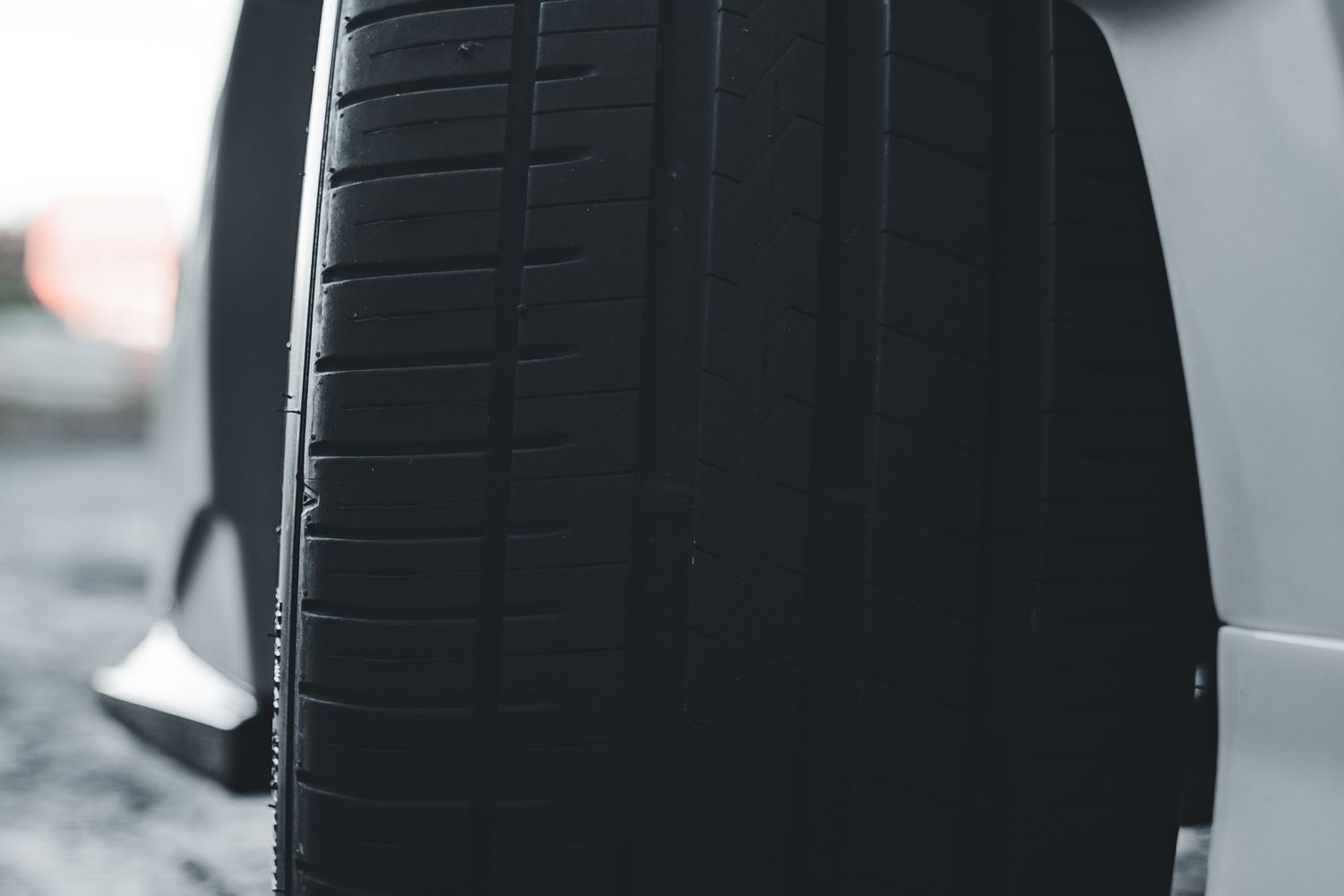
Tread grooves channel water away on wet roads. Check the TWI (Tread Wear Indicator) on the tire surface — if the tread is level with the indicator bumps, or groove depth is below 1.6 mm, it's time to replace. Bald tires are very dangerous as they slip easily and aquaplane.
Also note tire age via the production code on the sidewall, e.g. “3023” means made in week 30 of 2023. Tire rubber ages even when rarely used; tires are generally advised to be replaced at most 5–6 years after production.
Driving Habits That Make Tires Last
Avoid overloading, as it stresses tires beyond their capacity and speeds up damage — check the load index on the sidewall before holiday trips or hauling heavy goods. Also cut the habit of hitting potholes and speed bumps at speed.
Regularly clear pebbles stuck in the tread grooves. With this simple routine care, one set of tires can last 40,000–50,000 km while keeping you safe on the road.