
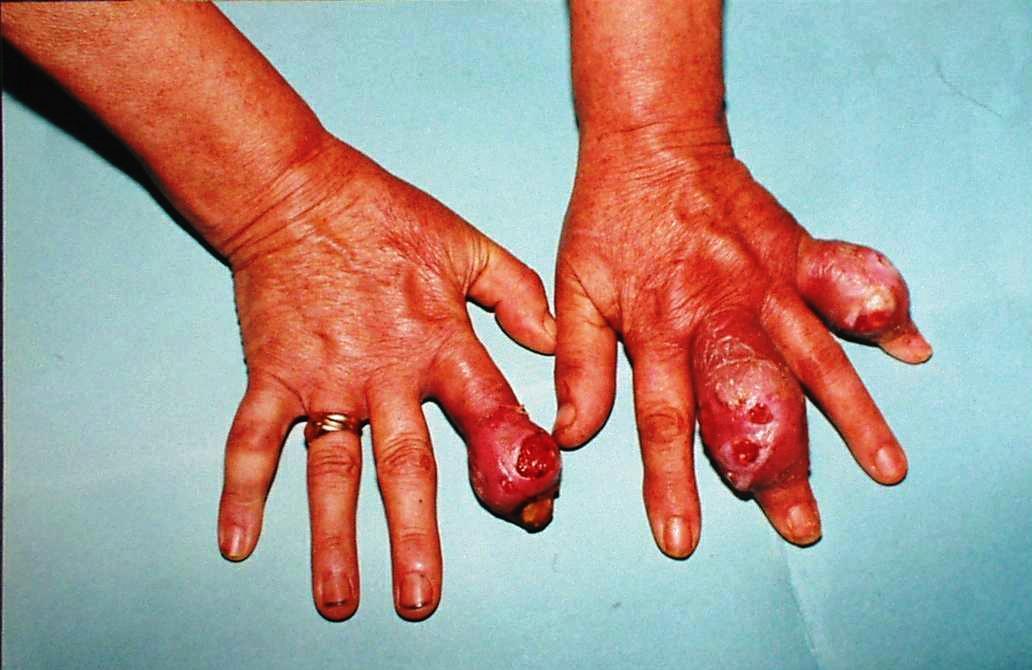
Recognizing Gout Symptoms
Gout occurs when large amounts of purines entering the body are converted into uric acid through metabolism. When levels are excessive, the kidneys cannot excrete it all, so uric acid crystals build up in the joints. As a result, joints feel painful, swollen, inflamed, warm, and stiff.
Gout attacks usually come suddenly, often at night, with severe pain in the big toe, ankles, knees, or fingers. Affected joints look swollen and red, feel warm to the touch, and are hard to move. In severe cases, patients can barely walk because the joints hurt intensely when moved.
Restrictions: High-Purine Foods
Controlling gout depends heavily on limiting high-purine foods. Organ meats such as liver, kidneys, tripe, intestines, and brain are the main restrictions. Red meats such as beef and goat, processed meats, and meat extracts such as shredded floss and jerky are also high in purines.
Seafood such as shrimp, squid, shellfish, crab, sardines, and anchovies must be limited. Instead, choose low-purine fish such as salmon. Canned foods such as corned beef and canned sardines, as well as legumes and high-purine vegetables such as spinach, water spinach, cauliflower, and asparagus, should also be limited.
Avoid Alcohol and Sugary Drinks
Alcoholic drinks, especially beer, can increase uric acid production while hindering its excretion by the kidneys. High-fructose sugary drinks such as sodas and packaged fruit juices can also raise uric acid levels. Refined carbohydrates such as white bread, cakes, and candy should be limited, as should fried foods and coconut-milk dishes.
Instead, eat more low-purine foods such as green vegetables, fresh fruits, whole grains, and low-fat dairy products. Vitamin C-rich fruits such as oranges, papayas, and strawberries are also good because vitamin C helps increase uric acid excretion through urine.
Treatment and Preventing Flare-Ups
Besides watching your diet, patients are advised to maintain an ideal weight and exercise regularly. Drinking at least 8 glasses of water a day helps the kidneys flush excess uric acid and prevents kidney stones. Cold compresses on inflamed joints can help relieve pain and swelling.
If attacks recur frequently, doctors can prescribe uric-acid-lowering drugs and pain relievers. Do not delay examination, because untreated gout can cause complications such as tophi lumps, joint damage, kidney stones, and kidney disorders. Consult a doctor for proper treatment.


