
Every Minute Counts When a Stroke Strikes
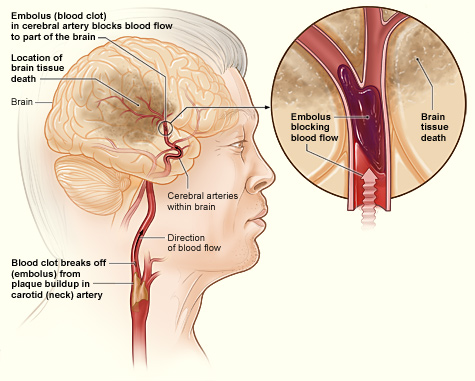
A stroke occurs when blood supply to the brain is disrupted, either by a blockage or a ruptured blood vessel. Brain cells begin to die within minutes without oxygen, so fast treatment can reduce brain damage and determine the patient's survival.
According to the U.S. CDC, the most effective stroke treatments are only available if the stroke is recognized and diagnosed within the first 3 hours of symptoms. In Indonesia, the Health Ministry cites a golden period of about 4.5 hours — the faster the patient is taken to a hospital, the lower the risk of death and permanent disability.
Recognizing Symptoms with FAST
The international FAST method helps the public recognize stroke quickly: Face (ask the person to smile — does one side droop?), Arms (ask them to raise both arms — does one drift downward?), Speech (ask them to repeat a simple phrase — is it slurred or strange?), Time (if you see any of these signs, call emergency services right away).
Indonesia's Health Ministry uses a local version, the acronym SeGeRa Ke RS: asymmetric smile; sudden weakness on one side of the body; slurred speech; numbness or tingling on half the body; sudden blurred vision; and a severe headache never felt before. Note the time symptoms first appear, as this information helps doctors determine the best treatment.
Correct First Aid
When stroke signs appear, the first aid to give is to take the patient to a hospital immediately or call emergency services (119 in Indonesia). Do not waste a single second — do not wait for symptoms to improve on their own. Do not drive to the hospital yourself if possible; an ambulance lets medical personnel begin life-saving treatment on the way.
According to PERDOSSI neurologist Dr. Zicky Yombana, many people do not understand first aid for stroke, so patients often receive the wrong help. Wrong first aid leads to disability and even death from delayed treatment, he said in a Health Ministry talk show.
What Not to Do: Don't Prick Fingers!
Stroke hoaxes still circulate, including the claim that pricking a patient's fingers can cure a stroke. PERDOSSI stresses: never prick the patient's fingers, and do not give them anything to drink — take them straight to the hospital. Wrong actions only waste precious time within the golden treatment period.
Prevention remains better. According to PERDOSSI, watch risk factors early, especially for those over 40 and those with a family history of high blood pressure, diabetes, heart attack, and stroke. If you or your family carry these risk factors, consult a doctor or health facility for early detection and risk control.


