2027 Hajj Cost Set at Rp98.47 Million per Pilgrim
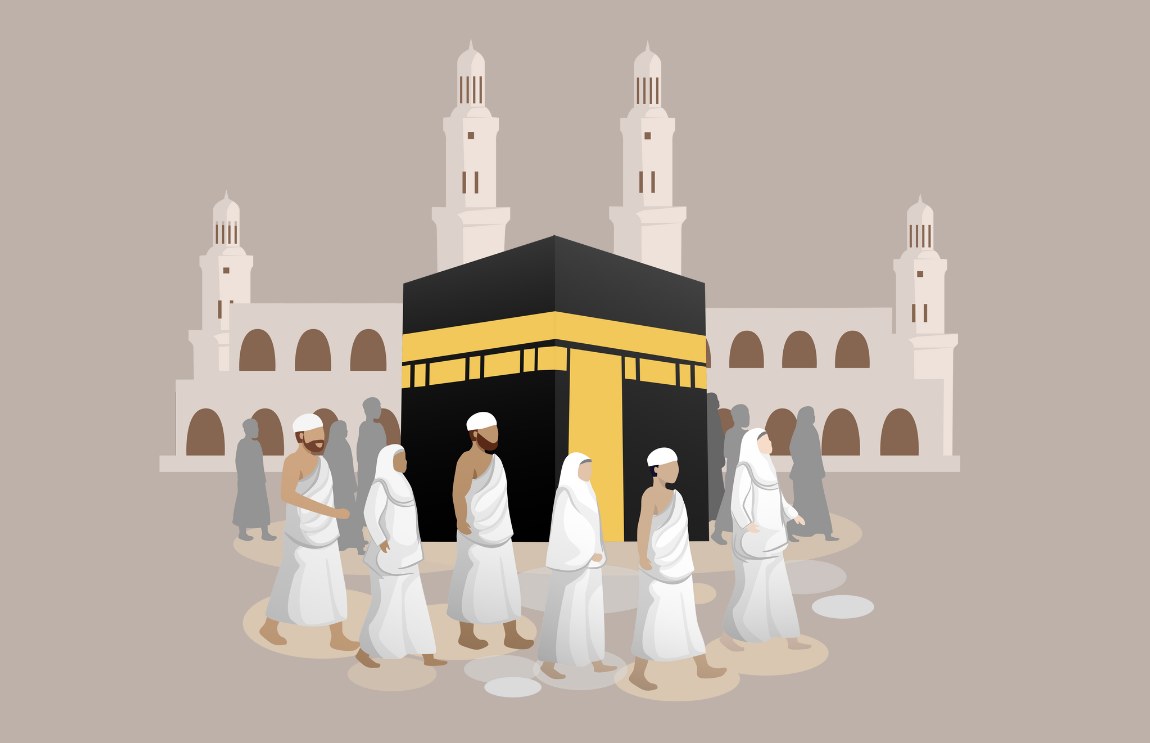
Indonesia's Hajj Organizing Cost (BPIH) for 1448 Hijriah/2027 has been agreed. The working committee (Panja) of House of Representatives Commission VIII and the Ministry of Hajj and Umrah set the average at Rp98,466,463.35 per regular pilgrim.
The agreement was announced by Deputy House Speaker Sufmi Dasco Ahmad at the Parliament Complex in Senayan, Jakarta, on Wednesday (10/7/2026). The final figure is lower than the Ministry of Hajj's initial proposal of Rp107,340,172.02 per pilgrim submitted to the House on August 19, 2026.
The roughly Rp8.9 million reduction per pilgrim is good news for prospective pilgrims, after the 2027 Hajj cost had looked likely to rise on the back of higher aviation fuel prices, exchange-rate volatility, and service adjustments in Saudi Arabia.
Pilgrims Pay Rp54.65 Million, Rest from Fund Returns
Of the total Rp98.47 million, the amount paid directly by pilgrims — the Hajj Travel Cost (Bipih) — is set at Rp54,648,825 per pilgrim on average, or 55.50 percent of total BPIH.
Dasco said the remaining Rp43,817,526, or 44.50 percent, comes from returns on the managed Hajj funds administered by the Hajj Financial Management Agency (BPKH). Total returns deployed reach approximately Rp8.83 trillion.
In addition, the committee approved allocating around Rp2.6 trillion of remaining returns to the virtual accounts of pilgrims still on the waiting list.
Breakdown: Saudi Services and Flights
The Saudi Arabia service component averages Rp54,317,360.07 per pilgrim, covering accommodation, Masyair services, and meals. Flight costs are set at an average of Rp38,505,046 per pilgrim.
The pilgrim-paid portion covers flights, part of the fullboard syarikah services, and living expenses during the pilgrimage in the Holy Land. Key cost drivers for 2027 include rising energy and aviation fuel prices amid geopolitical tensions, rupiah exchange-rate volatility, and Saudi Arabia's discontinuation of Masyair package D, prompting Indonesia to switch to package C.
The September 28 meeting between President Prabowo and the hajj ministry also covered restructuring hajj financial governance, including a working committee on Law No. 34/2014 on Hajj Financial Management. The government stressed efficiency so the pilgrimage runs well at a fair cost.