
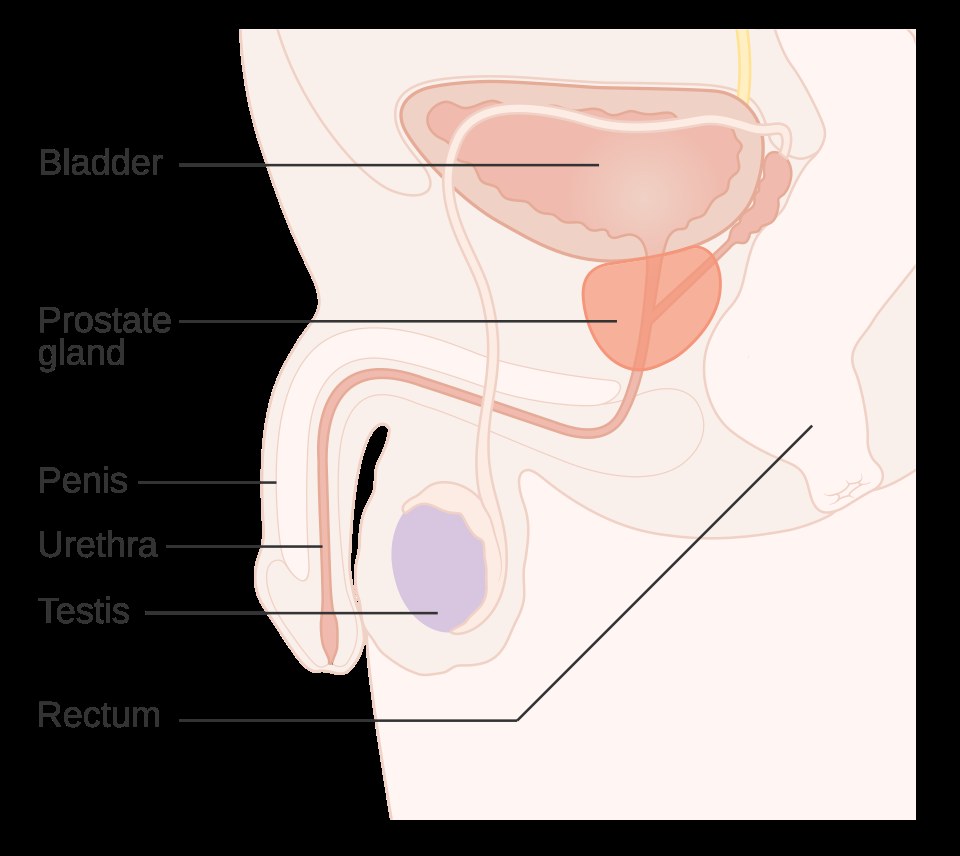
What Prostate Cancer Is
Prostate cancer is the abnormal growth of cells in the prostate gland, a walnut-sized organ located below a man's bladder. The gland produces fluid that is released with sperm during ejaculation.
The disease tends to strike older men, especially those over 65. While its exact cause remains unknown, several factors are known to raise risk, including obesity, a family history of prostate cancer, a diet high in fat and low in fruits and vegetables, and exposure to certain chemicals.
Prostate Cancer Symptoms to Watch For
In its early stages, prostate cancer often causes no complaints at all. Symptoms usually appear when cancer cells grow large enough to press on the urinary tract. Urinary complaints include frequent nighttime urination, difficulty starting urination or needing to strain, weak or interrupted urine flow, and a feeling that the bladder is not fully empty after urinating.
Other signs to note are pain or a burning sensation when urinating, difficulty holding in urine, and blood in the urine or semen. If the cancer has spread beyond the prostate, advanced symptoms may include unexplained weight loss, persistent pain in the back, hips, or pelvis, and erectile dysfunction.
Keep in mind these symptoms do not always mean prostate cancer. Benign prostate enlargement (BPH) or prostate inflammation (prostatitis) cause similar complaints. A medical examination is still needed to determine the exact cause.
When Men Should Consider Screening
Early detection is the key to successful prostate cancer treatment. Cancer found while still confined to the prostate gland has a far greater chance of successful treatment. As a general guide, screening may be considered from age 50 for men at low risk.
For men at higher risk, such as those with a family history, screening is advised from age 45, or even 40 for very high risk. Examinations may include a physical exam, PSA test, or further tests as advised by a doctor. An elevated PSA result does not necessarily mean cancer either.
Do not delay a medical checkup if you experience urinary problems or prolonged discomfort. Consult a doctor to find out what early screening suits your condition.
Lifestyle Habits for Prostate Health
While there is no surefire way to prevent prostate cancer, a healthy lifestyle can help lower the risk. Limit caffeine and alcohol, avoid excessive drinking at night, and eat plenty of fruits and vegetables. Regular exercise also plays a role in overall prostate health.
Cut back on overly acidic or spicy foods, which can irritate the prostate, and try to urinate regularly every few hours. If symptoms pointing to prostate cancer appear, get examined at a health facility promptly so you receive proper treatment as early as possible.


