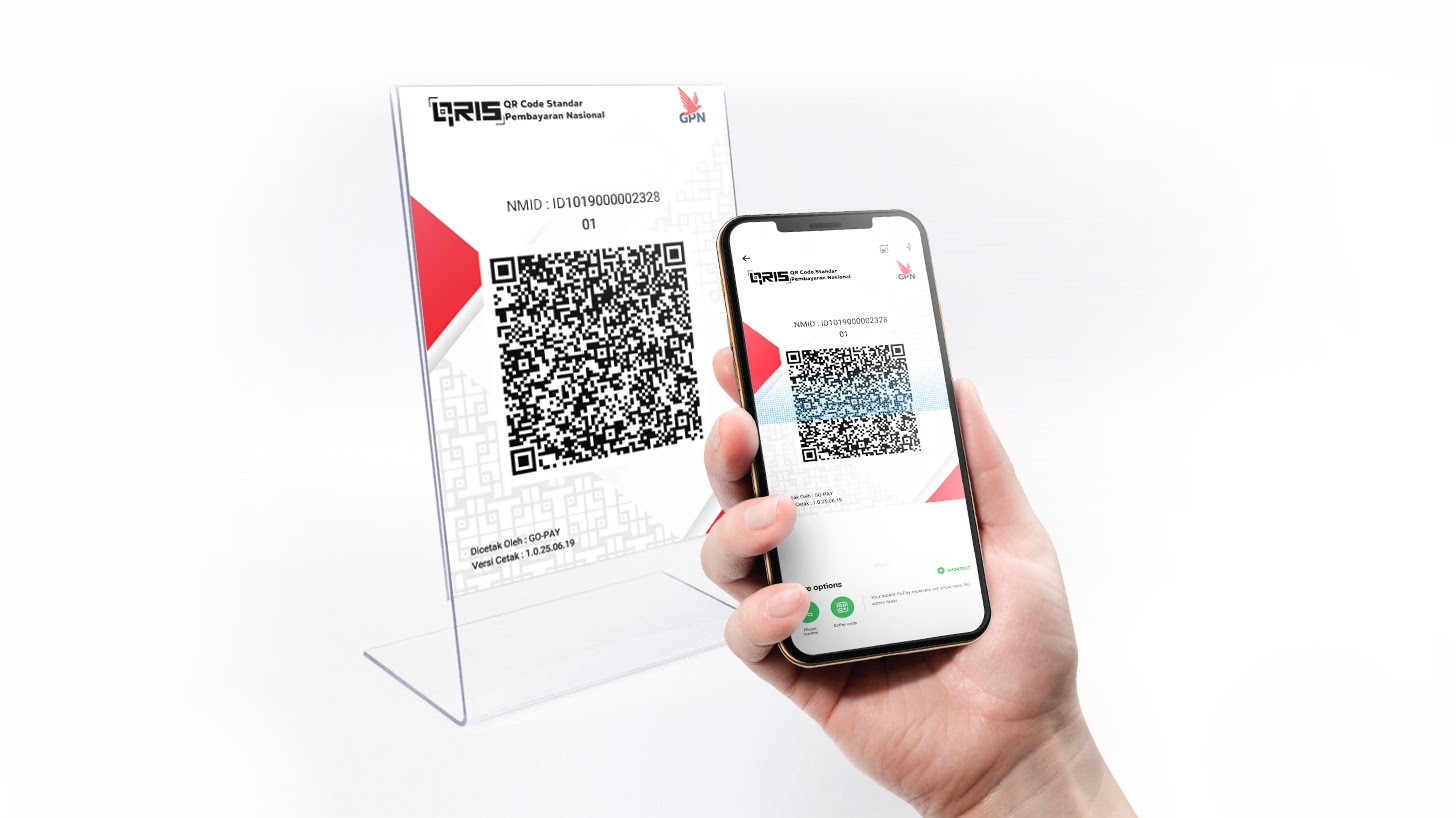
QRIS Transactions Hit Rp1.12 Quadrillion
Digital payments via QRIS are unstoppable. In the first half of 2026, the Quick Response Code Indonesian Standard (QRIS) recorded 12.55 billion transactions worth about Rp1.12 quadrillion.
That figure surged 93.92% year-on-year. By mid-2026, QRIS users had reached 65.77 million people with 44.86 million merchants accepting QR scans.
Most impressively, about 96.68% of those tens of millions of merchants are micro, small, and medium enterprises (MSMEs). Payment digitalization has truly reached the grassroots economy, from cafes to street vendors.
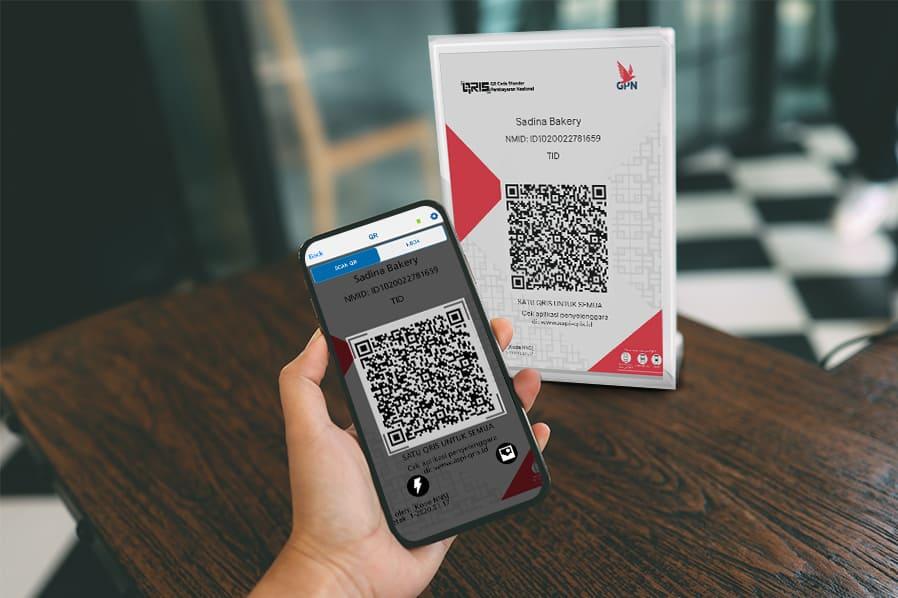
BI Pushes MSMEs to Go Digital
Bank Indonesia keeps pushing MSMEs to adopt digital payments so their business activity is better recorded and measurable, improving their eligibility for financing.
BI Deputy Governor Aida S. Budiman said one MSME challenge is inadequate bookkeeping, while banks face information asymmetry when assessing borrowers' creditworthiness.
BI therefore promotes digital payment systems like QRIS so MSME transactions are recorded and generate data usable for credit assessment. BI also launched a 0% QRIS merchant discount rate for transactions up to Rp100,000 starting October 2026.
Cross-Border QRIS Expands, MSME Lending Lags
A key pillar of the digitalization vision is cross-border payment connectivity. The service already works for transactions in Thailand, Malaysia, Singapore, Japan, South Korea, and China.
The network will soon expand to Hong Kong and Timor-Leste. The breakthrough opens the way for local MSMEs to go international without currency-exchange hassles.
Even so, BI notes MSME lending still lags: in July 2026 it grew just 1.62% yoy, far below total bank lending at 13.58%. MSME non-performing loans sit at 4.5-5.6%, above the national banking NPL of 2.09%.
Rizal Edwin, senior policy analyst at the Coordinating Ministry for Economic Affairs, said digitalization must not stop at transactions. In his view, digital connectivity should drive productivity, trade, investment, inclusion, and Indonesia's economic competitiveness.
Cross-border QRIS already works in Thailand, Malaysia, Singapore, Japan, South Korea, and China, letting local MSMEs reach global markets more easily.