What Is Alternative Credit Scoring?
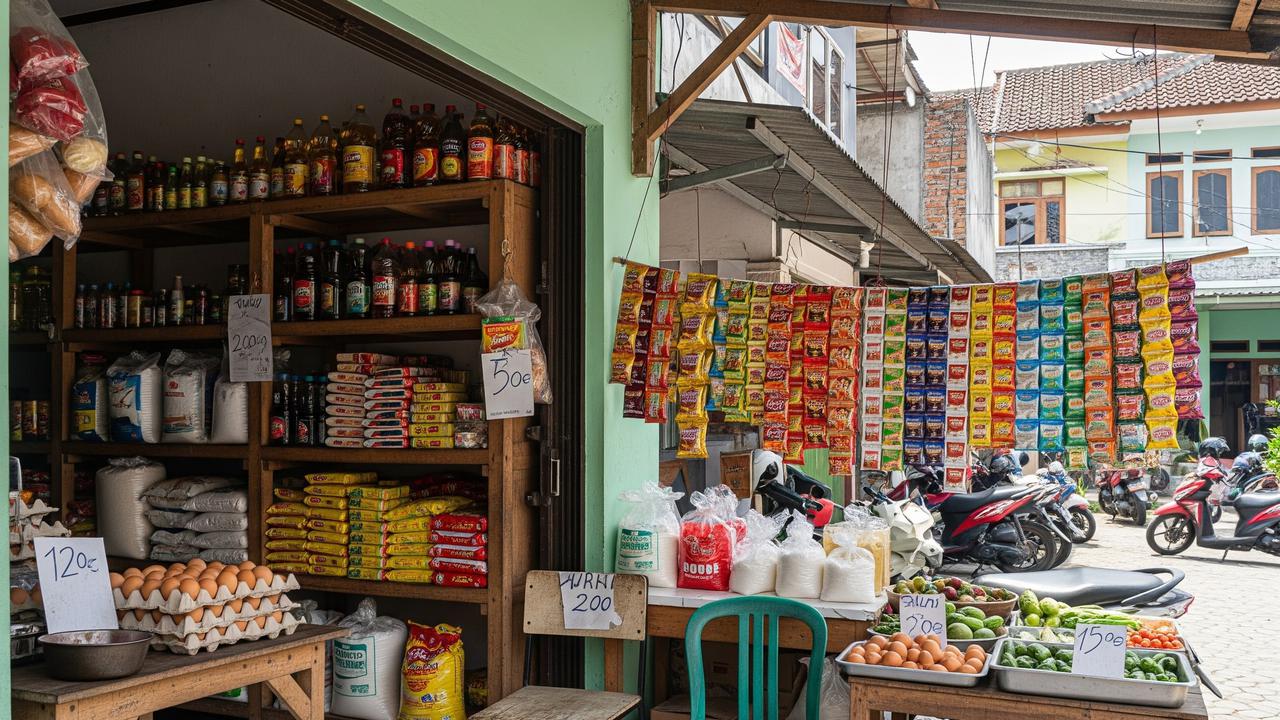
Alternative credit scoring assesses people's creditworthiness using technology and non-traditional data rather than just bank loan histories. Indonesia's Financial Services Authority (OJK) is promoting it to expand financing access for micro, small, and medium enterprises (MSMEs, known locally as UMKM).
Adi Budiarso, OJK's Chief Executive for Financial Technology Innovation, Digital Assets, and Crypto Assets, said credit-scoring technology is an innovation that helps people and MSMEs that have long faced financing access barriers.
He noted Indonesia now has eight alternative credit scorers, calling the product an innovation that will help MSMEs. According to Adi, alternative credit scoring lets prospective borrowers obtain credit or increase their credit capacity.
Reaching MSMEs the Banks Miss
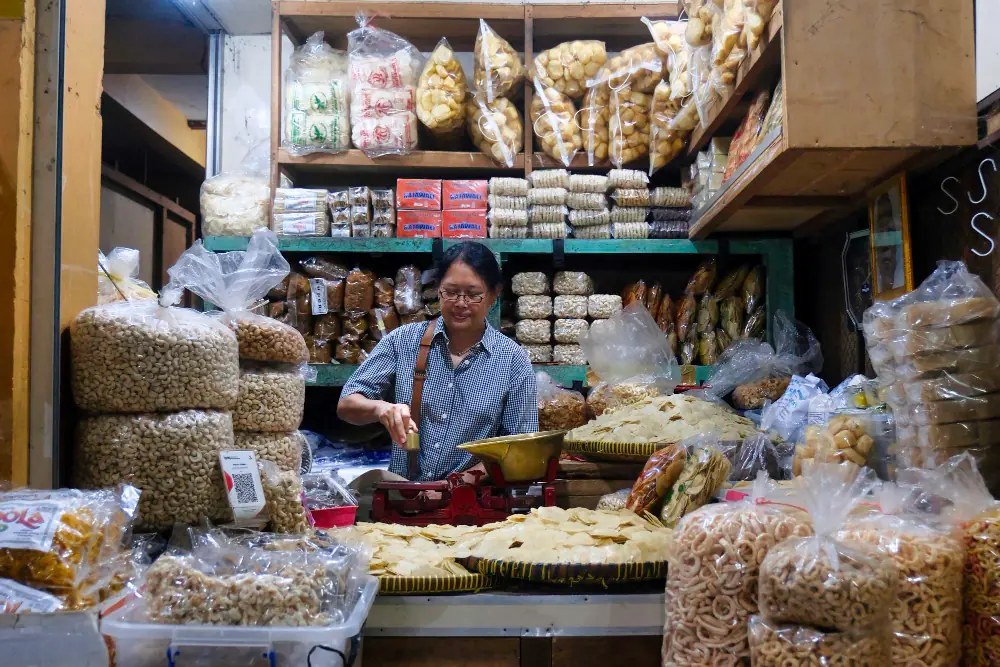
The technology solves a classic problem: many creditworthy MSMEs lack formal credit histories and get rejected by banks. With alternative scores — drawn from digital transaction data, business records, or payment patterns — their worthiness can be judged more fairly.
Adi cited the technology's use for farmers and dairy cattle breeders in Malang. With recorded data, MSMEs can obtain credit or have increased credit capacity detected directly by the technology.
Beyond the eight alternative scorers, OJK counts 17 aggregators in its Financial Sector Technology Innovation (ITSK) ecosystem. OJK balances its innovation push with stronger security, consumer protection, and governance through a regulatory sandbox mechanism.
MSME Financing Hits Rp1,948.72 Trillion
OJK's push comes alongside growing MSME financing scale. Total cross-sector MSME financing reached Rp1,948.72 trillion by June 2026, up 2.18 percent year on year.
Banks still dominate with 82.44 percent, followed by financing and venture companies (PVML) at 17.50 percent and capital markets at 0.06 percent. Bank MSME credit alone stood at Rp1,519.35 trillion in June 2026.
Alternative credit scoring services logged 28.32 million score-data requests as of July 2026, while financial-service aggregators reached 19.26 million users. OJK is optimistic MSME credit can grow up to 9 percent in 2026, provided innovation keeps pace with rising digital financial literacy.