Minyakita Prices Above the Ceiling
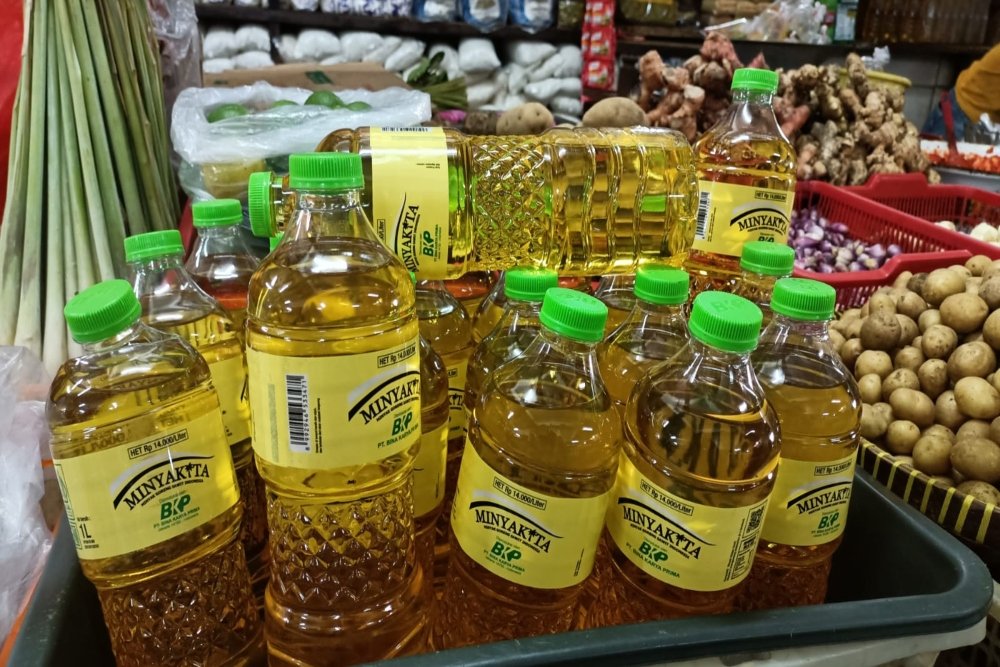
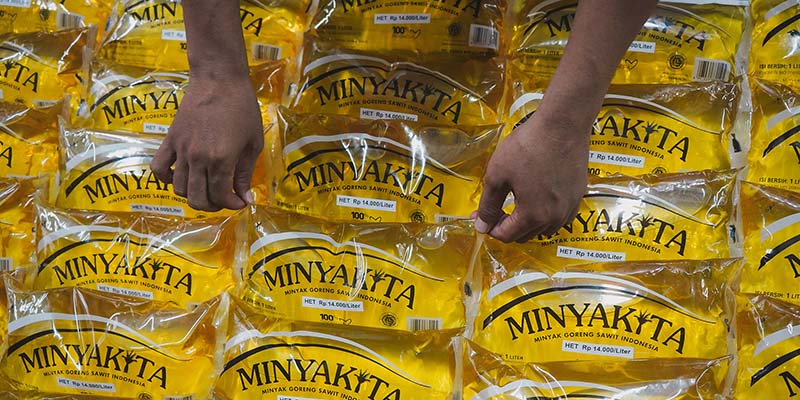
The subsidized packaged cooking oil Minyakita is still selling above its government-set ceiling price (HET) in several regions, even though the HET is Rp15,700 per liter.
In West Kalimantan, data from the Staples Information System (Sibapokting) as of 13 October 2026 showed Minyakita at Rp16,000 to Rp16,300 per liter. In Pekanbaru, Riau, market prices have even broken through Rp20,000 per liter.
The price surge has pushed local governments to act. The Pekanbaru city government said it will intervene in Minyakita prices through market operations to bring them back toward the ceiling.
Pekanbaru Readies Market Operations
Pekanbaru's acting city secretary Ingot Ahmad Hutasuhut said market operations in the form of cheap markets are one option to stabilize Minyakita prices.
Before running the operations, the city government will coordinate with Bulog, the state logistics agency. Bulog will supply Minyakita so it can be sold below market prices.
So far the city has kept coordinating with distributors and the Food Task Force on Minyakita supply, to keep distribution channels clear and supply flowing normally.
Distribution Snags, Other Staples Also Pricey
Ingot said distribution has not matched expectations: Minyakita that should have reached end users is instead being resold to retailers, pushing up consumer prices.
To keep supply flowing, the city has asked distributors to allocate deliveries to traditional markets without obstruction.
Beyond Minyakita, other staples in West Kalimantan look expensive too: red bird's eye chili at Rp123,000-Rp126,000 per kg, broiler chicken at Rp44,000-Rp45,500 per kg, and bulk palm cooking oil around Rp21,000-Rp21,500 per liter.
Pekanbaru's city government said it will first monitor how the situation develops. If high prices persist, market operations will be held promptly for residents' convenience, per the mayor's directive.
West Kalimantan residents can monitor daily staple prices through the provincial government's Sibapokting portal by selecting the commodity, period, and region. Price transparency is expected to help residents and the government track market movements.